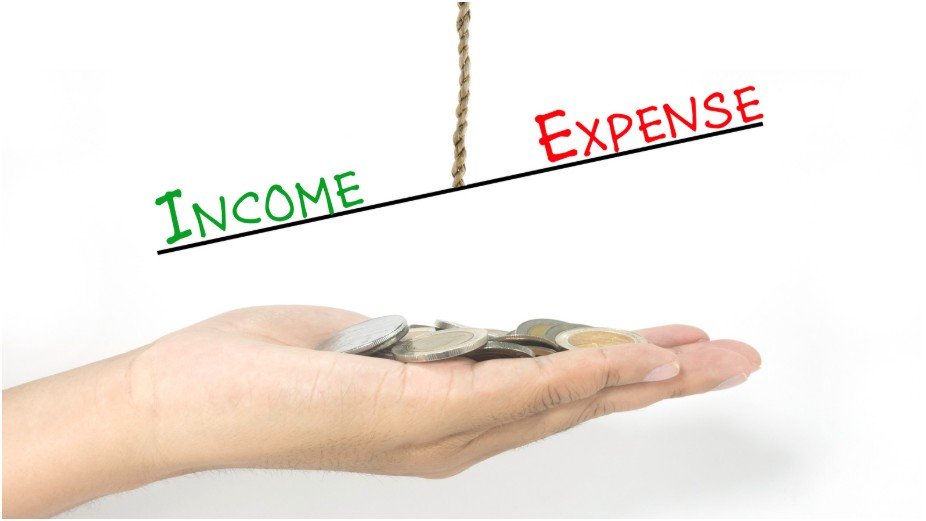

A messy bank account used to make payday feel exciting for five minutes, then confusing for the rest of the month. That changed once personal financial management tips became a simple weekly habit instead of a stressful weekend project. For beginners in investing, this is where real confidence starts.
Key Takeaways
- Track your cash flow regularly.
- Save money for emergencies.
- Pay off expensive debt faster.
- Automate savings and good habits.
- Invest consistently for future goals.
Track Your Cash Flow
Knowing where your money goes is the first step toward making it behave better.
Know Your Real Income
Your real income is not the salary printed on an offer letter. It is the money that reaches your checking account after taxes, insurance, retirement deductions, and other withholdings. For irregular income, use a conservative average from the last three to six months.
That number is the starting point for every budget, savings goal, and investment plan. It also helps freelancers, side hustlers, and commission earners avoid building a lifestyle around money that may not arrive every month.
Build A Simple Budget
A budget is not a punishment. It is a plan that tells your money what to do before bills, cravings, and random subscriptions make the decision for you. The 50/30/20 rule is a useful starting point.
With this method, 50 percent of after-tax income goes to needs, 30 percent goes to wants, and 20 percent goes to savings, debt repayment, or investing. Adjust it if rent is high, debt is urgent, or your savings goal needs more focus.
Use Easy Tracking Tools
You can track expenses with a spreadsheet, banking app, budgeting app, or notebook. The best tool is the one you will actually open.
Spend 10 minutes each week checking bills, subscriptions, debt payments, transfers, and everyday spending. This habit shows leaks quickly and makes financial planning feel less mysterious.
Build An Emergency Fund
A cash cushion keeps surprise expenses from turning into long-term debt.
Start With A Starter Fund

An emergency fund is money set aside for real surprises, not planned shopping or vacations. Start with $500 or one month of essential expenses. This first cushion can protect you from using a credit card for every repair or medical bill.
Keep the money separate from regular checking. A high-yield savings account can help because the cash stays accessible while earning some interest.
Grow Toward Three To Six Months
Once your starter fund is ready, aim for three to six months of basic living expenses. Include rent or mortgage, utilities, groceries, insurance, transportation, minimum debt payments, and essential medical costs.
Your target depends on job stability, family size, health needs, and income and business type. A household with dependents or variable income may need a larger cushion.
Pay Off High-Interest Debt
Debt payoff creates breathing room and frees cash for future investing.
Identify Costly Debt First
High-interest debt, especially credit card balances, can grow fast and block financial progress. List every debt with its balance, interest rate, minimum payment, and due date. Seeing the full picture may feel uncomfortable, but it gives you control.
Focus first on debts with the highest rates because they usually cost the most over time. Paying them down can be one of the best guaranteed returns available to a beginner.
Choose A Payoff Method
The avalanche method targets the highest interest rate first and may save more money in interest. The snowball method targets the smallest balance first and can build motivation because accounts disappear faster.
Both methods can work. Pick the one that keeps you consistent. The goal is to reduce balances and stop interest from eating your income.
Automate And Invest
Automation helps you build wealth before daily life spends the money.

Pay Yourself First
Paying yourself first means moving money to savings or investments as soon as income arrives. It works because waiting until month-end often means there is nothing left.
Set recurring transfers after payday. Even small amounts build consistency. Increase the transfer when income rises, debt falls, or expenses become easier to control.
Start With Retirement Accounts
For investing basics, retirement accounts are often a practical place to begin. A 401k can be powerful when an employer match is available because that match adds extra value to your contribution.
An IRA can also support long-term investing, depending on your income, tax situation, and eligibility. Review current rules or speak with a qualified tax professional before making tax decisions.
How To Use Personal Financial Management Tips
Turning advice into action is easier with a simple weekly sequence.

Week One: Face The Numbers
Start by writing down income, bills, spending categories, debt balances, interest rates, savings, and investment accounts. Check your bank and card statements for the last 30 days. Look for forgotten subscriptions, rising food costs, and spending that does not match your goals.
This is not about guilt. It is about visibility. Once the numbers are clear, you can decide what needs trimming, what needs protection, and what deserves more money.
Week Two: Set The System
Create your budget, choose your tracking tool, and set two automatic transfers. One can go to emergency savings, and one can go toward debt payoff or investing. Automation makes your plan active.
Then schedule a 15-minute weekly money check-in. Review spending, upcoming bills, and progress. This keeps your budget flexible and prevents small issues from becoming expensive surprises.
Week Three: Begin Investing Basics
Review workplace retirement options, IRA choices, or a beginner brokerage account. Learn terms like how to invest index funds, ETF, diversification, compound growth, and expense ratio. These ideas help you invest with more confidence.
Start with an amount that does not strain your budget. Consistency matters more than size at the beginning. As cash flow improves, increase contributions gradually.
Frequently Asked Questions
1. What Are The 5 C’s Of Personal Finance?
The 5 C’s are often cash flow, credit, capital, collateral, and conditions. They help explain financial strength, borrowing ability, and how lenders or advisors may view your money situation.
2. What Are The 5 P’s Of Personal Finance?
The 5 P’s can be planning, priorities, protection, persistence, and patience. They guide smart budgeting, emergency savings, insurance choices, debt control, and long-term investing habits.
3. What Is The Trick To Managing Personal Finances?
The trick is to make good money habits automatic. Track spending weekly, automate savings and payments, review your budget monthly, and keep investing simple enough to repeat.
4. What Is The $27.40 Rule?
The $27.40 rule means saving $27.40 each day adds up to about $10,000 in one year. It shows how small daily choices can create meaningful annual savings.
Your Money Glow-Up Starts Now
Personal financial management tips are not about being perfect with money. They are about building a system that helps you track cash flow, protect yourself with savings, crush high-interest debt, and invest for the future.
Start small, automate what matters, and review your progress often. Each review builds trust in your plan, which makes investing feel less scary and more realistic. Your future self will love the calm, confident version of money you are creating today.