

Building wealth feels hard when most of your paycheck already has a job before it arrives. I get that. But how to build wealth with a low income is not about pretending money is easy. It is about using the right order, so every dollar does more work.
When income is limited, random money advice can hurt more than help. You do not need ten investing apps, risky stocks, or a perfect budget. You need a simple wealth ladder: protect yourself, stop debt leaks, automate savings, invest small amounts, and raise your income over time.
Why Low-Income Wealth Building Needs a Different Plan
A high earner can sometimes recover from sloppy money habits. A low-income household usually cannot. One car repair, medical bill, or late fee can restart the debt cycle.
That is why the order matters. I would not tell someone earning $32,000 a year to invest aggressively while carrying 24% credit card debt. That debt works like a reverse investment. It grows against you every month.
The better path is mechanical. First, build a small cash shield. Then attack high-interest debt. After that, automate investing and retirement contributions. This creates progress without depending on motivation.
Start With a $1,000 Emergency Buffer

Before chasing investments, create a starter emergency fund of around $1,000. This money is not for shopping, holidays, or subscriptions. It is your anti-debt shield.
The CFPB describes an emergency fund as money set aside for unexpected expenses like car repairs, medical costs, home repairs, or income loss. That matters because emergencies do not wait until your budget looks comfortable.
Put this money in a separate savings account. Keep it away from your daily checking balance. Even $10 or $20 per payday helps. The goal is not perfection. The goal is to stop one surprise bill from forcing you back onto a credit card.
Balance Income and Expenses Before You Invest

If more money leaves than comes in, wealth building becomes impossible. This is where I would start with a simple monthly audit.
Print or download your last three months of bank and card statements. Circle every subscription, delivery fee, impulse order, overdraft fee, and unused service. Most people do not find one huge problem. They find ten small leaks.
A helpful next step is to balance income and expenses before creating an investment plan. When income and spending are not aligned, even good financial goals become stressful.
Use the Pay-Yourself-First Rule
Pay yourself first means savings happens before spending. Treat it like rent or a phone bill.
Set an automatic transfer for payday. It can be $5, $15, or $50. The amount matters less than the habit at first. Automation removes the weekly argument with yourself.
This method works because leftover money rarely survives. If savings depends on whatever remains at the end of the month, it usually loses to groceries, gas, bills, and small emergencies.
Cut the Expenses That Quietly Drain You
Start with expenses that do not improve your life. Cancel unused subscriptions. Reduce food delivery. Switch phone plans. Call insurance providers for better rates. Use a grocery list before entering the store.
I like the “one category per week” method. One week, fix food spending. Next week, review utilities. Then look at transportation. This avoids budget burnout.
Pay Off High-Interest Debt Before It Eats Your Future

High-interest debt is one of the biggest blockers to wealth. Federal Reserve data showed credit card interest around 21% in early 2026. That is painful math.
If your card charges 21%, paying it off gives you a powerful guaranteed benefit. It may beat the uncertain return you hoped to get from investing.
Debt Snowball vs Debt Avalanche
Use one payoff strategy and stick with it.
The debt snowball method targets the smallest balance first. If Card A has $300, Card B has $1,200, and Card C has $4,000, you attack Card A first. This gives quick wins and builds confidence.
The debt avalanche method targets the highest interest rate first. If Card C charges 26%, Card A charges 19%, and Card B charges 15%, you attack Card C first. This saves the most money over time.
Both methods work. Snowball helps behavior. Avalanche helps math. Choose the one you will actually follow.
Lower Your Interest Rate Before Paying Faster
Do not only pay harder. Pay smarter.
Call your card issuer and ask for a hardship program or lower APR. Say clearly that you want to repay the debt, but the interest rate is making progress difficult.
A 0% balance transfer may help if your credit score qualifies. The CFPB notes that balance transfers can include fees, even when the promotional rate is 0%. Read the terms before moving debt.
A credit union personal loan may also help. Turning several 24% cards into one 10% loan can reduce interest and simplify payments.
Start Investing With Small Amounts
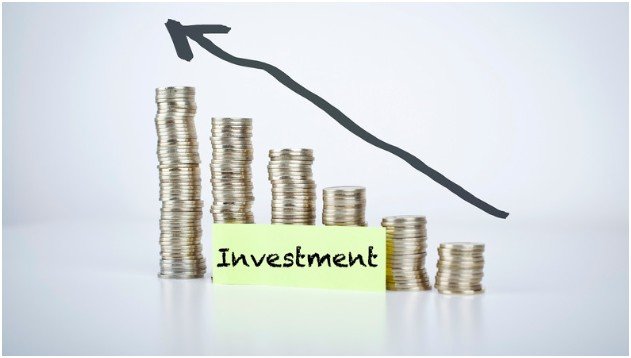
Once high-interest debt is under control, start investing. You do not need thousands of dollars. Many platforms allow fractional investing, which means you can buy small pieces of funds.
This is how to build wealth with a low income becomes practical. Small investments grow when they are consistent, low-cost, and left alone.
Use Index Funds and Fractional Shares
For most beginners, broad index funds are easier than choosing individual stocks. A total stock market index fund or S&P 500 index fund spreads your money across many companies.
This lowers the risk of depending on one business. It also keeps fees low, which matters when every dollar counts.
If you are young, know how to start building wealth in your 20s because time is your biggest advantage. A small investment at 25 can do more than a larger investment started much later.
Reinvest Dividends Automatically
Dividend reinvestment is simple but powerful. When your fund pays dividends, the money buys more shares instead of sitting as cash.
Investor.gov explains compound interest as earning returns on both your original money and previous earnings. That is why time matters so much.
My simple rule is this: if you do not need the dividend for survival, reinvest it.
Build Retirement Wealth on a Low Income

Retirement planning can feel impossible on a tight budget, but the right order makes it easier.
Claim the Employer Match First
If your employer offers a 401(k) or 403(b) match, start there. Contribute enough to get the full match.
For example, if you earn $30,000 and your employer matches 100% up to 3%, you contribute $900 and they add $900. That is an instant 100% return before market growth.
This is usually the best first retirement move because it uses free employer money before relying only on your own cash.
Use a Roth IRA for Tax-Free Growth
After the match, consider a Roth IRA. This account can be useful for low-income earners because contributions are made with after-tax dollars. If your tax rate is low now, that can work in your favor.
For 2026, the IRS raised the IRA contribution limit to $7,500, with an additional catch-up amount for people age 50 or older. You do not need to max it out. Even $25 per month builds the habit.
Do Not Leave the Money Sitting in Cash
Opening an account is not enough. You must choose investments inside the account.
A target date fund is a simple option. Pick a fund close to your expected retirement year, such as 2060 or 2065. It automatically adjusts risk over time.
A total stock market fund or S&P 500 fund may also work if you want a simple growth-focused choice.
Increase Income Without Increasing Lifestyle Costs
Cutting expenses helps, but income growth changes the game. I would treat income growth like a wealth project, not a wish.
Start with free or low-cost skills. Look at certificates in bookkeeping, data analysis, project coordination, digital marketing, coding, or healthcare support. Many community colleges and online platforms offer affordable options.
A side hustle can also help, but avoid anything with high startup costs. Tutoring, freelance writing, pet sitting, virtual assistance, résumé editing, and local services can start with little money.
The key is to avoid lifestyle creep. If you raise your income by $300 per month and spend all of it, nothing changes. If you save or invest half, your wealth ladder gets stronger.
Use Tax Credits and Community Resources
Low-income wealth building is not only about sacrifice. Use every legal support available.
The Saver’s Credit can help eligible low-to-moderate-income workers who contribute to an IRA or workplace retirement plan. The IRS says the maximum contribution amount that may qualify is $2,000, or $4,000 if married filing jointly.
Also check utility assistance, subsidized internet, food support, local credit union programs, and community job training. These resources can lower your baseline costs and free up money for debt payoff or investing.
FAQs
1. Can I build wealth if I only save $20 a month?
Yes. Start with $20, automate it, and increase it when your income grows or debt drops.
2. Should I invest while paying off credit card debt?
Usually, pay high-interest credit card debt first, except for getting a full employer retirement match.
3. What is the best investment for low-income beginners?
A low-cost index fund or target date fund is often a simple starting point.
4. How to build wealth with a low income and no savings?
Start with a $1,000 emergency fund, cut spending leaks, pay off costly debt, then automate small investments.
Final Word: Small Money Still Has Muscle
I do not believe low income means no financial future. It means the plan must be sharper. Every dollar needs a role, and every habit must protect your next step.
Start with one move this week. Build the $1,000 buffer. Cancel one useless bill. Call one lender. Set one automatic transfer. Wealth does not begin when life gets perfect. It begins when your money finally gets instructions.