
A first investing account can feel like stepping into a room where everyone speaks in tickers, fees, and charts. That is why learning how to invest in index funds is such a practical starting point. I like this approach because it keeps things simple, low-cost, and focused on long-term wealth instead of stock-picking stress.
Index funds let you invest in a full market index, such as the S&P 500, without choosing individual companies. Instead of asking which stock might win next, you buy a basket of investments and let the market work over time.
For beginners, that simplicity matters. You can open an account, choose a broad-market fund, set up recurring investments, and build a habit that supports retirement planning, financial independence, and steady portfolio growth.
Key Takeaways
- Index funds track market indexes.
- Low fees help returns.
- Broad funds add diversification.
- Beginners can start small.
- Automatic investing builds discipline.
Open An Investment Account
Before buying your first index fund, you need the right account to hold your investments.
Choose Your Account Type
A brokerage account lets you buy index mutual funds and ETFs with flexibility. For retirement, consider a traditional IRA, Roth IRA, or 401(k), which may offer tax benefits based on your situation.
Compare Account Options
Retirement accounts are better for money you plan to keep invested for years. A 401(k) may include an employer match. A taxable brokerage account allows earlier withdrawals, but dividends and gains may be taxed.
Pick A Trusted Broker
Open your account online with a reputable broker like Vanguard, Fidelity, or Charles Schwab. Look for low fees, no minimums, fractional shares, automatic investing, and helpful tools before funding your account.
Choose Your Index Funds
The fund you choose should match your goal, timeline, risk comfort, and need for diversification.
Look For Broad Markets
Choose broad-market index funds that hold many companies, not just one stock, sector, or trend. S&P 500 and total stock market index funds are popular because they offer simple, wide diversification.
Check Fees First
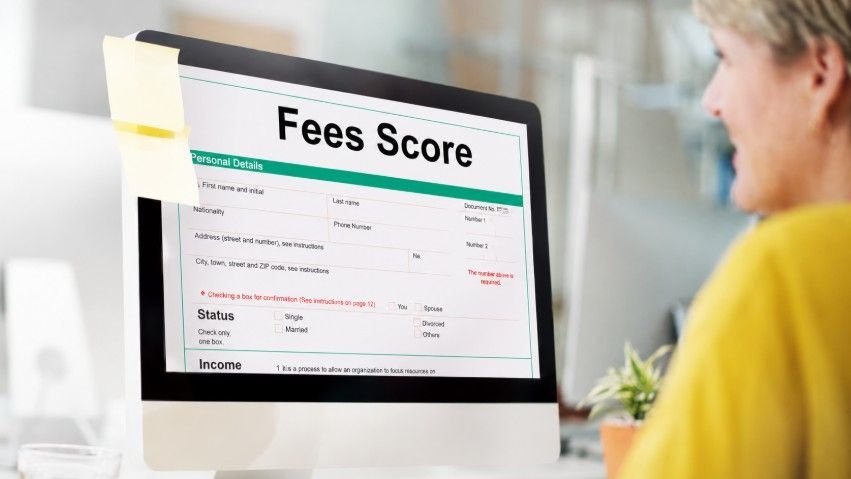
Review the expense ratio before investing. This annual fund fee may look small, but it reduces returns over time. Many strong broad-market index funds charge under 0.10%, helping more of your money stay invested.
Consider Simple Alternatives
Index ETFs trade like stocks during market hours, while index mutual funds trade once daily and may suit automatic investing. A target-date index fund is another easy option because it adjusts its stock and bond mix as retirement nears.
Buy Shares And Automate
This is where how to invest in index funds becomes real. After your account is funded and your fund is selected, you can place your first order and build a routine.
Place Your First Order
Search for the fund using its ticker symbol, such as VOO, FXAIX, VTI, or another fund available on your platform. Review the fund name carefully so you do not buy the wrong investment.
Next, enter the dollar amount or number of shares you want to buy. Many brokers allow fractional shares, which means you may not need enough money for one full share. Review the order, confirm the details, and submit it.
Reinvest Dividends
Many index funds pay dividends from the companies they hold. Instead of taking those payments as cash, you can usually choose to reinvest dividends and capital gains automatically.
Dividend reinvestment helps your money buy more shares over time. This supports compounding, which is one of the most powerful forces in long-term investing. Small reinvested payments can grow into meaningful value over many years.
Use Dollar-Cost Averaging
Dollar-cost averaging means investing a fixed amount on a regular schedule, such as $100, $250, or $500 each month. You buy more shares when prices are lower and fewer shares when prices are higher.
This strategy removes emotion from investing. You do not need to guess the perfect day to buy. Recurring investments can help smooth market ups and downs while building a consistent wealth-building habit.
Build A Smart Portfolio
A good index fund strategy does not need to be complicated, but it should be balanced.

Avoid Fund Overlap
Owning several funds does not always mean you are diversified. You might buy an S&P 500 fund, a large-cap fund, and a technology index fund, only to realize they hold many of the same companies.
Fund overlap can make your portfolio riskier than it looks. A cleaner approach may include one total U.S. stock market fund, one international stock index fund, and one bond index fund.
Match Risk To Timeline
Your investment mix should reflect when you need the money. A young investor saving for retirement may be comfortable with more stocks because there is time to recover from market downturns.
Someone closer to retirement may prefer more bonds or a target-date index fund with a conservative allocation. The goal is not to avoid all risk, but to take the right amount of risk for your timeline.
Keep It Easy To Manage
A simple portfolio is often easier to stick with. One target-date fund, a two-fund portfolio, or a three-fund portfolio can be enough for many beginners.
Review your portfolio once or twice a year. Check your fees, contribution amount, asset allocation, and whether your funds still match your goals. Constant checking can lead to emotional decisions.
Avoid Common Mistakes
Index fund investing is simple, but a few habits can still hurt your progress.
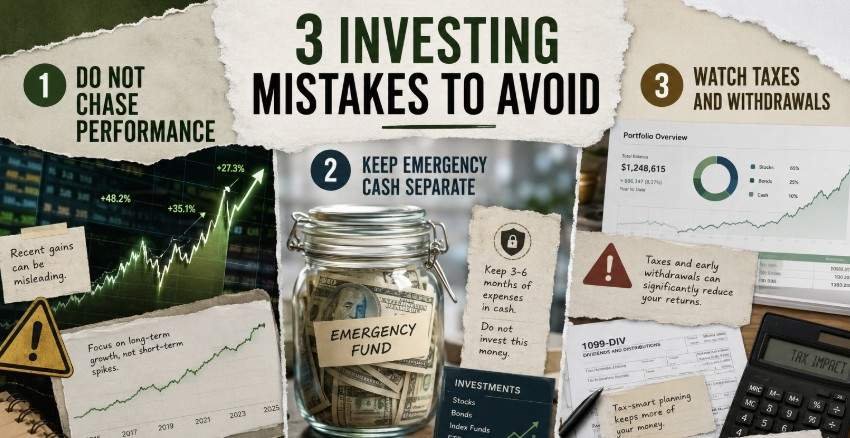
Do Not Chase Performance
A fund that performed well last year may not lead the market next year. Past returns can offer context, but they should not be your only reason and meaning of investing.
Focus on broad diversification, low costs, fund quality, and your long-term plan. A boring index fund you hold for 20 years may work better than a trendy fund you sell after a bad month.
Keep Emergency Cash Separate
Index funds are best for long-term money. Cash needed for rent, medical costs, emergency savings, or a near-term home purchase should usually stay outside the stock market.
Market downturns can happen quickly. Keeping emergency cash separate helps you avoid selling investments when prices are down and emotions are high.
Watch Taxes And Withdrawals
Taxable brokerage accounts can create tax bills when funds pay dividends or when you sell investments for a gain. Retirement accounts may have rules about withdrawals, penalties, and required distributions.
Tax rules vary by person, account type, and state. For personal tax decisions, it is smart to speak with a qualified tax professional or financial advisor.
Frequently Asked Questions
1. How Do Beginners Buy Index Funds?
Beginners can open a brokerage, IRA, or 401(k), fund the account, choose a low-cost broad-market index fund, search its ticker symbol, place a buy order, and automate future investments.
2. How Much Money Do I Need To Invest To Make $3,000 A Month?
Using a common 4% withdrawal guideline, you may need around $900,000 invested to withdraw about $3,000 monthly. Actual needs depend on taxes, inflation, returns, expenses, and market conditions.
3. How Much Is $500 A Month Invested For 10 Years?
At an assumed 8% yearly return compounded monthly, $500 per month for 10 years could grow to about $91,473. Real returns can be higher or lower and are never guaranteed.
4. What If I Invested $100 A Month In S&P 500?
At an assumed 10% average annual return over 40 years, $100 monthly could grow to about $632,408. The S&P 500 has long-term growth history, but future returns are uncertain.
The Boring Money Move That Works
Learning how to invest in index funds is not about becoming a Wall Street expert. It is about opening the right account, choosing a low-cost broad-market fund, reinvesting dividends, and automating contributions.
Keep your plan simple, avoid emotional decisions, and give compounding time to work. For many beginners, boring investing can become a surprisingly powerful wealth-building strategy.