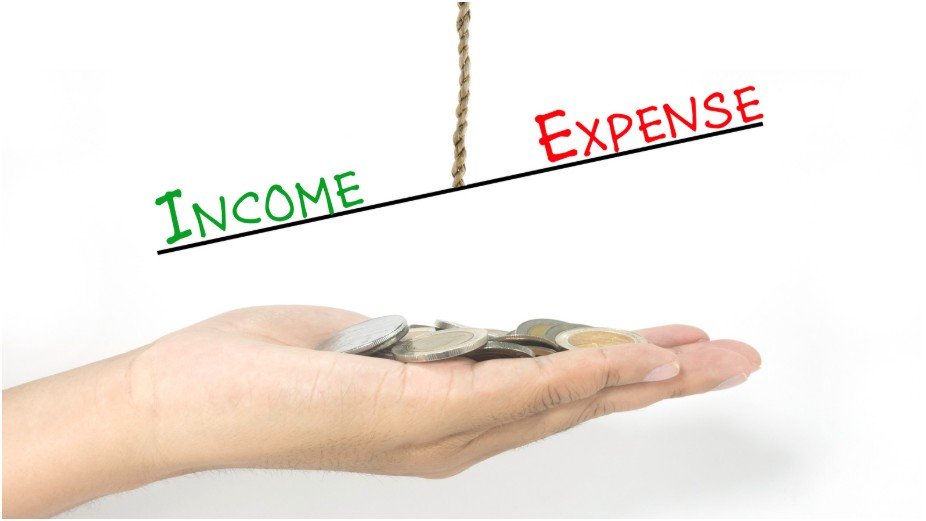
I used to think budgeting meant cutting every small joy from my life. It does not. How to balance income and expenses means knowing where your money goes, giving savings a job first, and stopping small leaks before they become monthly pressure.
The goal is simple. Your income should cover your bills, lifestyle, savings, and future plans without forcing you into debt. Once I started treating money as cash flow instead of random spending, my budget became easier to control.
Why Balancing Income and Expenses Starts With Cash Flow
Cash flow is the movement of money in and out of your life. Income comes in through paychecks, freelance work, side hustles, benefits, or investment returns. Expenses go out through rent, insurance, groceries, transportation, debt payments, subscriptions, dining, shopping, and emergencies.
Many people do not struggle because they earn nothing. They struggle because money leaves faster than they notice. That is why tracking matters before cutting anything.
A three-month review works better than a one-week guess. One month can include a birthday, repair, holiday, or unusual bill. Three months shows real patterns.
Calculate Your Real Take-Home Income First

Before building a budget, I calculate the money I can actually spend. That means net income, not the larger salary number on paper.
Use Net Income, Not Gross Salary
Gross salary can make a budget look stronger than it is. Taxes, insurance, retirement contributions, and payroll deductions reduce the amount you receive.
I only budget with the amount deposited into my bank account. If my paycheck shows $4,800 after taxes each month, that is my real starting point. The budget starts with what is available.
Include Side Income Only When It Is Reliable
Freelance income, overtime, bonuses, and side-hustle earnings can help, but I do not treat unstable income as guaranteed.
If side income appears for at least three steady months, I include the average. If it changes often, I send it toward savings, emergency funds, or debt instead of using it for fixed bills.
Track Every Expense Before You Cut Anything
The fastest way to ruin a budget is to start cutting blindly. You may cancel the wrong thing and ignore the real problem.
To understand how to balance income and expenses, I review bank statements, credit card bills, wallet apps, and payment accounts. I look for every expense, including small ones.
Separate Needs, Wants, Savings, and Money Leaks
I use four categories: needs, wants, savings, and money leaks.
Needs include housing, groceries, utilities, insurance, transport, debt payments, childcare, and basic healthcare. Wants include dining out, streaming, hobbies, shopping, travel, entertainment, and upgrades. Savings include emergency funds, retirement, investments, and short-term goals.
Money leaks are expenses that give little value. These include unused apps, duplicate subscriptions, late fees, impulse orders, and forgotten renewals.
Use a Three-Month Cash-Flow Replay
My original method is a three-month cash-flow replay. I export the last three months of transactions. Then I mark every line as need, want, saving, or leak.
After that, I calculate the average monthly amount for each category. If wants are high, lifestyle spending needs limits. If needs are above 50%, fixed costs may be too heavy. If savings are below 20%, savings needs to move before spending, not after it.
Choose a Budgeting Rule That Fits Your Life
A budgeting rule gives your money boundaries. It stops every paycheck from becoming a guessing game.
The 50/30/20 Rule
The 50/30/20 rule divides take-home pay into three parts: 50% for needs, 30% for wants, and 20% for savings or extra debt repayment.
If your take-home income is $4,800 per month, the split looks like this:
Needs: $2,400
Wants: $1,440
Savings and debt payoff: $960
This rule protects savings while still allowing flexible spending. It also shows when fixed costs are too heavy.
The 70/10/10/10 Formula
The 70/10/10/10 formula can work better for people with higher living costs or irregular income.
Use 70% for living expenses, 10% for long-term investments, 10% for short-term goals, and 10% for debt payoff or personal growth.
The right budget is not the one that sounds impressive. It is the one you can follow for six months without quitting.
Make Savings Your First Financial Goal
Savings should not be whatever remains at the end of the month. That approach rarely works. Spending expands when money sits in checking.
The best shift I made was treating savings as a bill. I pay it first.
Automate a Pay Yourself First System
On payday, I move a fixed amount into savings before paying for groceries, shopping, or entertainment. This removes temptation.
A simple system works best. Set an automatic transfer on payday. Move the money into a separate savings account. Spend only what remains in checking.
This makes savings the primary financial goal. It also makes how to balance income and expenses feel less stressful because savings no longer depends on willpower.
Build a Three-to-Six-Month Emergency Fund
An emergency fund protects your budget from surprise expenses. Medical bills, car repairs, job loss, appliance breakdowns, and travel emergencies can ruin a budget without cash backup.
I aim for three to six months of essential living costs. If basic monthly needs cost $3,000, the emergency target is $9,000 to $18,000.
Start small. The first goal can be $500. Then $1,000. Then one month of expenses. Keep emergency money liquid and separate in a savings account, high-yield savings account, or insured cash account.
Reduce Non-Essential Spending Without Feeling Broke
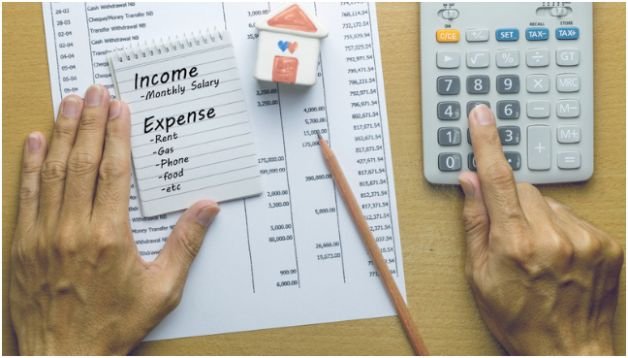
Cutting spending does not mean cutting happiness. It means removing waste first.
When I review expenses, I do not start with small treats. I start with recurring charges and convenience habits.
Cancel Unused Subscriptions
Subscriptions renew quietly. Streaming apps, cloud storage, fitness apps, shopping memberships, and paid trials can add up.
I audit subscriptions once a month. If I have not used a service in the last 30 days, I cancel it. This single habit can free money without changing daily life.
Control Convenience Spending
Food delivery, rideshares, express shipping, app upgrades, and impulse purchases often create budget leaks. They feel small in the moment but heavy at month-end.
I do not ban them. I set limits. For example, I allow two food delivery orders per month. After that, I cook, meal prep, or pick up groceries.
One powerful way to protect your monthly budget is to learn to live below your means without feeling deprived.
A Simple Monthly Budget Example
Here is a practical example.
A person earns $5,000 per month after taxes. Their current spending is $1,850 on rent and utilities, $650 on transportation, $600 on groceries, $400 on insurance and healthcare, $300 on minimum debt payments, $700 on dining and entertainment, $500 on shopping and subscriptions, and $0 on savings.
Total spending is $5,000. Nothing is left.
A better version could look like this:
Needs: $2,800
Wants: $1,000
Savings and extra debt payoff: $1,200
To get there, this person could cut $300 from dining, $250 from shopping, $150 from subscriptions, and $500 from convenience spending. That creates $1,200 for savings or debt payoff.
This example shows how to move money from low-value habits into high-value goals without needing a perfect life.
Common Mistakes That Make Expenses Hard to Control
The first mistake is budgeting with gross income. This creates fake room and real stress.
The second mistake is ignoring irregular expenses. Car maintenance, annual insurance, gifts, school costs, taxes, and holiday spending should have sinking funds.
The third mistake is saving last. When savings waits until the end, it usually gets nothing.
The fourth mistake is making the budget too strict. If wants drop to zero, most people rebel.
The fifth mistake is never reviewing the plan. Income changes, rent changes, and grocery prices change. A budget needs a monthly check-in.
FAQs About How to Balance Income and Expenses
1. What is the easiest way to balance income and expenses?
Track one full month of spending, separate needs from wants, then automate savings before spending.
2. How much should I save from my income each month?
A strong target is 20%, but start with any amount you can repeat every payday.
3. What should I do if my expenses are higher than my income?
Cut leaks first, reduce flexible spending, negotiate bills, increase income, and avoid adding new debt.
4. How do I balance income and expenses on a low income?
Use net income, protect essentials, save small amounts first, and review every recurring expense monthly.
Final Word: Make Your Money Behave
Balancing money is not about acting rich or living scared. It is about making every dollar answer one question: “What job are you doing for me?”
Once I learned how to balance income and expenses, I stopped treating budgeting like punishment. I started treating it like control. Track the money, save first, cut the leaks, and review the plan monthly. Your next paycheck should not disappear without permission.