
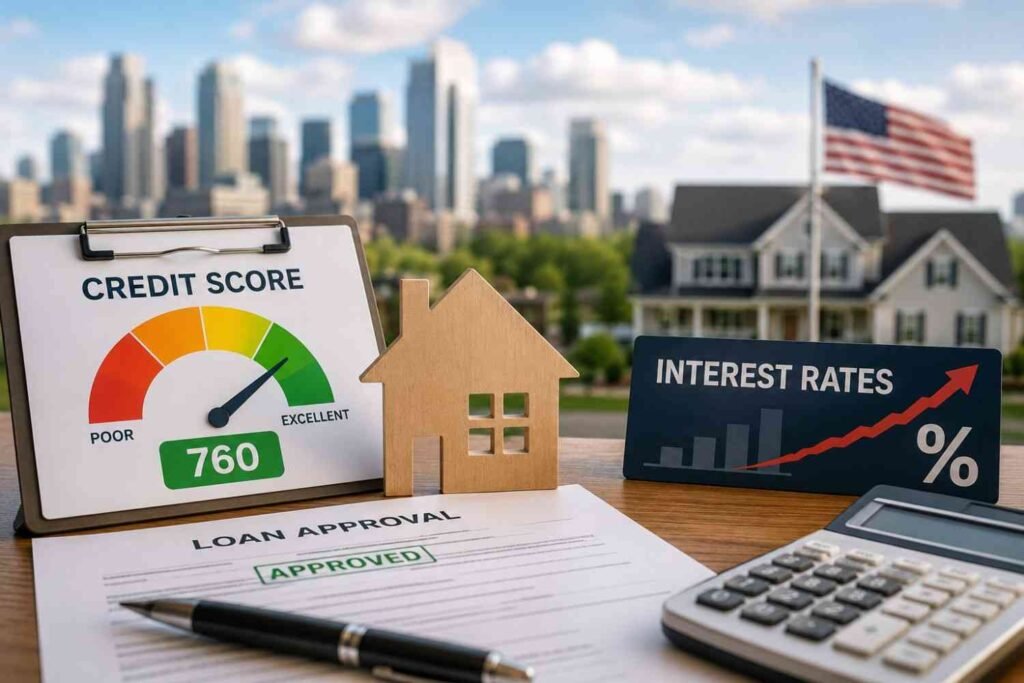
There is a big difference between applying for a loan when borrowing is cheap and applying when interest rates are elevated. In a low-rate environment, many borrowers can still find affordable financing even if their credit profile is not perfect. Once rates start climbing, however, every percentage point matters, and lenders become far more selective about who receives the best terms.
I have noticed that many people focus on the loan amount they need rather than the credit score they bring to the application. That approach can be costly. When interest rates are high, your credit score often becomes the deciding factor between a manageable monthly payment and years of paying substantially more in interest. Understanding why credit scores matter for borrowing can help you make smarter financial decisions before you submit a loan application.
The Connection Between Credit Scores And Borrowing Costs

A credit score is one of the first indicators lenders use to evaluate your creditworthiness. It provides insight into how responsibly you have managed debt, whether you make payments on time, and how likely you are to repay future obligations.
When interest rates rise, lenders face greater uncertainty and increased default risks. To protect themselves, they rely even more heavily on credit scores when making lending decisions. Borrowers with strong credit profiles are viewed as safer investments, while those with lower scores are often charged higher rates or face stricter loan terms.
This relationship between credit score and loan approval becomes especially important during periods when borrowing costs are already elevated. Even a small increase in your interest rate can significantly affect the total cost of financing.
How Lenders Use Risk-Based Pricing
One concept many borrowers overlook is risk-based pricing. Lenders do not offer the same rate to everyone. Instead, they adjust rates based on the level of risk each applicant presents.
A borrower with a history of timely payments, low credit utilization, and responsible debt management is generally considered lower risk. As a result, that borrower may qualify for better loan interest rates.
A borrower with missed payments, high balances, or a limited credit history may be considered higher risk. To compensate for that risk, lenders often add a premium to the interest rate.
This difference may seem small at first, but over the life of a mortgage, auto loan, or personal loan, it can result in thousands of dollars in additional borrowing costs.
Why High Credit Scores Become More Valuable During High-Rate Periods
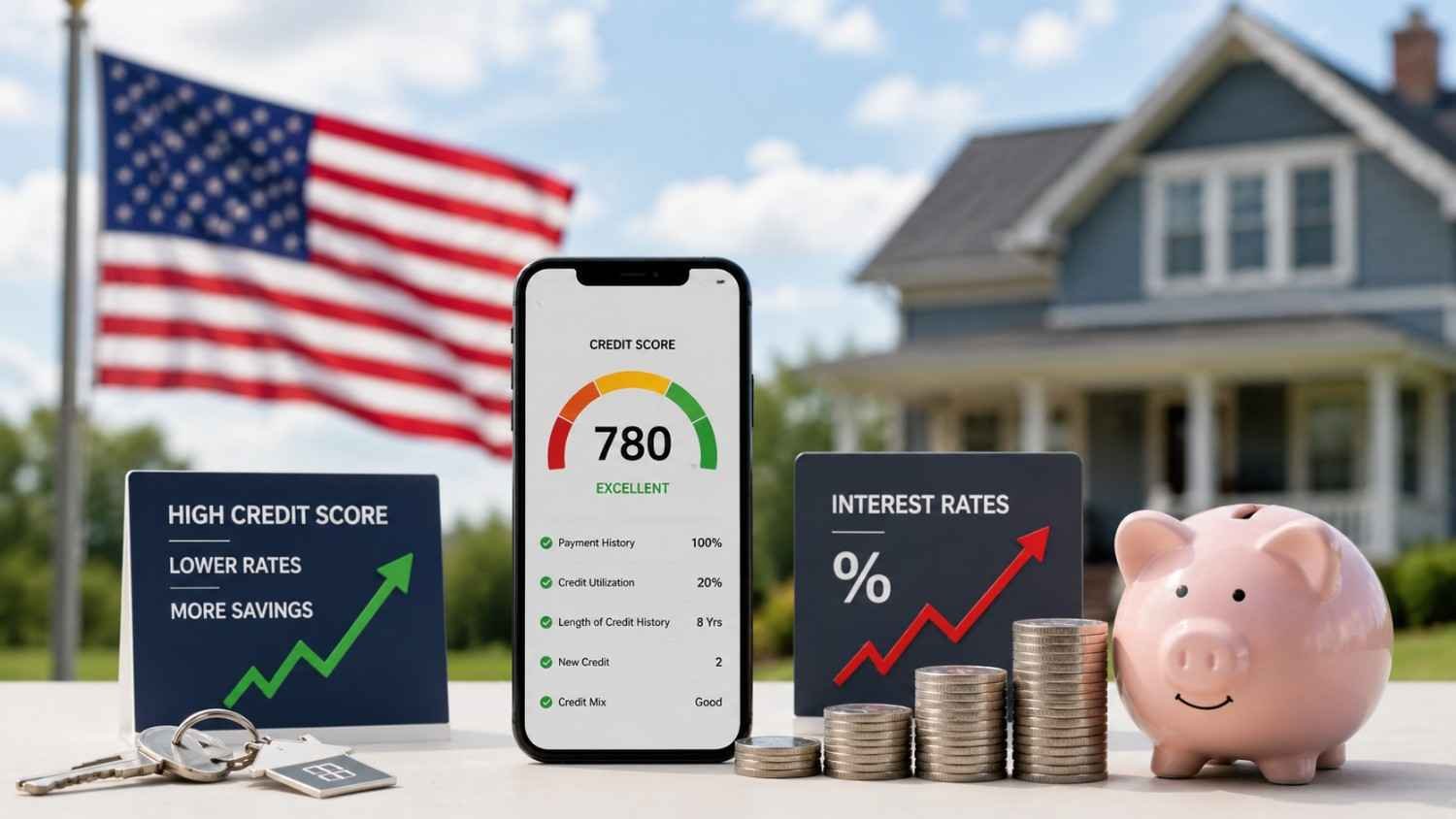
When rates are elevated across the market, lenders become increasingly cautious. They are less willing to approve marginal applications and often tighten their lending standards.
A high credit score acts as a financial shield because it helps you avoid the steepest risk premiums. Borrowers with scores of 750 or above are often viewed as prime borrowers. Their strong repayment history signals reliability, which can lead to lower financing costs and better loan eligibility.
At the same time, borrowers with weaker credit profiles may find themselves facing fewer options. Some may receive higher rates, while others may struggle to secure approval altogether.
The Long-Term Impact Of A Small Rate Difference
Many people underestimate how much a seemingly minor rate difference can affect their finances.
Consider two borrowers applying for the same long-term loan. One qualifies for an interest rate of 8.4%, while the other receives a rate of 9.5% because of a lower credit score.
That 1.1% difference may not appear dramatic at first glance. However, over a lengthy repayment period, the borrower with the higher rate could pay significantly more in total interest. The monthly payments will also be higher, placing additional pressure on household cash flow.
This is why improving your credit score before applying for financing can often deliver a stronger return than focusing solely on finding the lowest advertised rate.
Credit Scores And Negotiating Power

One advantage that is rarely discussed is the bargaining power that comes with a strong credit profile.
When lenders are competing for low-risk borrowers, they may be more willing to offer favorable terms beyond the interest rate itself. An excellent credit score can create opportunities to:
- Negotiate lower processing fees
- Request reduced closing costs
- Access flexible repayment options
- Secure better loan terms
- Improve approval speed
This negotiating leverage becomes even more valuable when lenders are operating in a tighter credit environment.
What Influences Your Credit Score
If you want to improve your borrowing power, it helps to understand what shapes your credit profile.
The most important factors typically include:
- Payment history
- Credit utilization ratio
- Length of credit history
- Credit mix
- Recent credit inquiries
Consistently paying bills on time remains one of the most effective ways to strengthen your score. Maintaining low balances and monitoring your credit report can also support long-term financial health.
Additionally, avoiding common loan application mistakes can help protect your score and improve your chances of securing favorable loan terms.
Direct Rate Comparison By Credit Tier
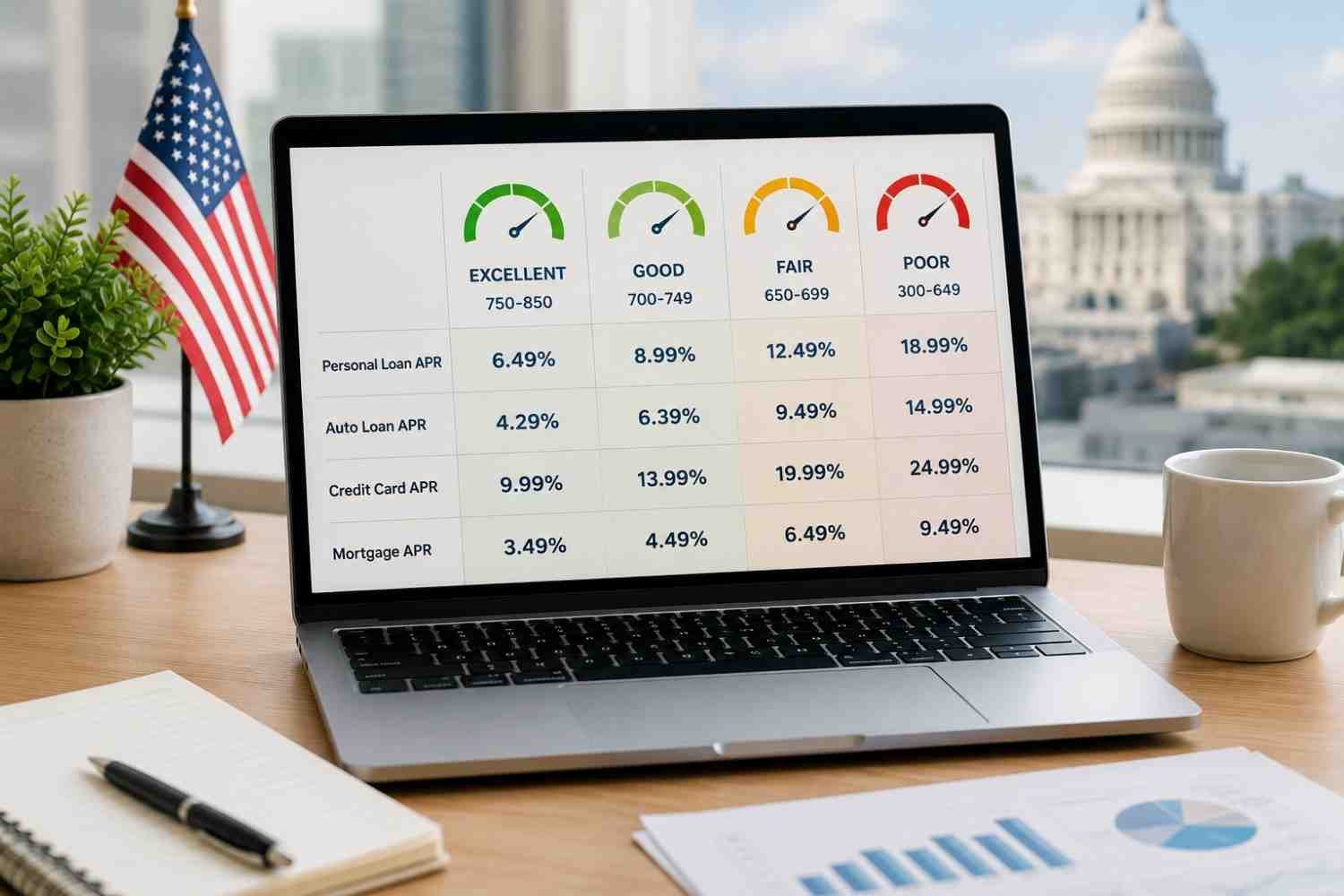
Different credit score ranges often lead to very different lending outcomes.
| Credit Score Bracket | Risk Perception By Lenders | Loan Approval Odds | Impact On Offered Interest Rate |
| 750 And Above | Very Low Risk | Excellent And Fast Processing | Lowest rates with minimal risk premiums |
| 650 To 749 | Moderate Risk | Fair Approval With Stricter Terms | Average market rates and limited negotiation |
| Below 650 | High Risk | Greater Risk Of Rejection | Higher penalty rates or possible denial |
This comparison highlights why maintaining a strong credit profile can be one of the most valuable financial strategies during periods of elevated interest rates.
FAQs: Why Credit Scores Matter For Borrowing When Interest Rates Are High
1. Can A Higher Credit Score Guarantee Loan Approval?
No. Lenders also evaluate income, debt-to-income ratio, employment history, and overall financial stability. However, a higher credit score generally improves approval odds and access to better terms.
2. What Credit Score Is Considered Good For Borrowing?
Many lenders consider a score of 670 or higher to be good, while scores above 750 are often viewed as excellent and may qualify for the most competitive rates.
3. How Quickly Can I Improve My Credit Score?
The timeline varies depending on your situation. Paying bills on time, reducing credit card balances, and correcting reporting errors can help improve your score over several months.
4. Why Do Interest Rates Affect Borrowers Differently?
Interest rates affect borrowers differently because lenders assign rates based on perceived risk. Borrowers with stronger credit profiles often receive lower rates, reducing overall financing costs.
Final Thoughts
Understanding why credit scores matter for borrowing becomes even more important when interest rates are high. A strong credit profile does more than improve approval chances. It can reduce borrowing costs, strengthen negotiating power, and provide access to better financial opportunities. While market interest rates are outside your control, your credit habits are not. Consistent payment history, responsible debt management, and proactive credit monitoring can make a meaningful difference when you need financing.
The best time to improve your credit score is before you need a loan. Small improvements today can lead to substantial savings in the future.