
I know how easy it is to open a market update and suddenly feel like I need to do something immediately. One headline says stocks are falling, another says inflation may rise, and another warns that investors are moving fast.
That kind of noise can make even smart people second-guess their plans. How to Use Market News Without Making Emotional Decisions is really about learning how to read headlines calmly, separate useful signals from fear, and protect your money from impulsive reactions.
Why Market Headlines Make Investors React Too Quickly
Market news is designed to get attention. Words like crash, surge, warning, shock, and crisis create urgency. That urgency can push investors toward emotional investing, especially when prices are moving quickly.
The biggest problem is that news often focuses on what is happening right now, while good investing usually depends on long-term thinking. A single inflation report, interest rate comment, earnings miss, or oil price jump may matter, but it does not always mean your entire financial plan needs to change.
Fear, FOMO, and Loss Aversion Can Hurt Your Portfolio
Fear can lead to panic selling. Greed can lead to chasing hot stocks. FOMO can make people buy after prices have already climbed. Loss aversion can make a temporary drop feel worse than it really is. These reactions are normal, but they can become expensive when they control investment decisions.
Market News vs Market Noise: What Investors Must Understand
Not every headline deserves action. Some news gives useful context, while some only adds stress. Market noise includes daily price swings, dramatic predictions, social media opinions, and short-term reactions that may disappear within days.
Useful market news usually connects to bigger trends. This may include inflation direction, interest rate policy, job market strength, corporate earnings, consumer spending, energy prices, or major changes in business fundamentals. Even then, the key question is not “What happened today?” The better question is “Does this change my long-term plan?”
For everyday investors, most news should be treated as information, not instruction. A headline can help you understand the market, but it should not automatically tell you to buy, sell, or move everything to cash.
How Smart Investors Read Market News Calmly
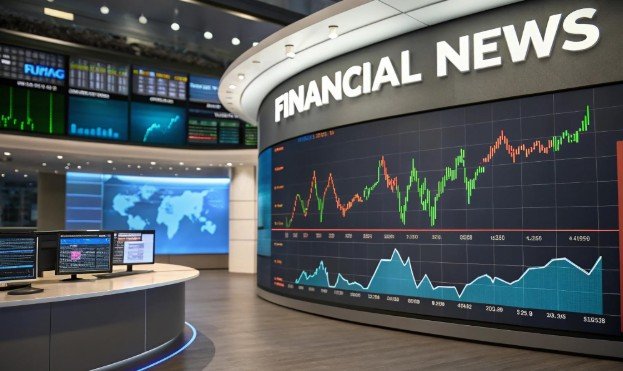
The first step is checking the source. Reliable financial news, official economic data, company reports, and expert commentary are more useful than random predictions. The second step is checking the time frame. A story about today’s market drop may not matter much if your goal is retirement, a college fund, or long-term wealth building.
Ask Whether the News Affects Your Actual Investments
The third step is asking whether the news affects your actual holdings. A technology earnings report may not matter much if you own a broad index fund. A rate change may matter, but the impact depends on your debt, savings, bonds, stocks, and time horizon.
The fourth step is comparing the news to your original investment plan. If your plan was built around diversification, regular contributions, and long-term goals, one headline should rarely be strong enough to destroy it.
A Simple Investment Decision Checklist Before You Act
Before making any investment move, pause and ask yourself a few simple questions. Am I reacting because I am afraid? Would I make this same decision if markets were calm? Does this news change my personal goals, income needs, risk tolerance, or timeline? Am I following facts, or am I copying the crowd?
Use a 24 to 48 Hour Rule Before Buying or Selling
A waiting period can help. Instead of reacting instantly, give yourself 24 to 48 hours before making a major portfolio decision. Emotional urgency often fades when you slow down. This simple rule can prevent panic selling during market drops and hype buying during rallies.
Common Investing Mistakes Caused by Market News
One common mistake is panic selling after a market decline. Selling during fear can turn temporary losses into permanent ones. Another mistake is chasing a stock, sector, or trend because it is getting media attention. By the time many stories become popular, the biggest gains may already have happened.
Some investors also check their portfolios too often. Daily checking can make normal volatility feel like a personal emergency. Others jump between strategies, moving from stocks to cash, then back to stocks, based only on headlines. This creates poor timing and unnecessary stress.
How to Use Market News Without Making Emotional Decisions means building distance between the headline and the action. You can read the news, understand the risks, and still choose not to react.
When Market News Should Actually Change Your Investment Plan

Market news may matter when it affects your real financial life. If your income changes, your retirement timeline shifts, your risk tolerance drops, or your business faces new pressure, reviewing your plan makes sense. News may also matter if a company you own has a major long-term change in earnings, debt, leadership, or competitive position.
For most long-term investors, smart adjustments are usually measured, not dramatic. Rebalancing a portfolio, increasing cash reserves, reviewing debt, or speaking with a financial professional can be more useful than making emotional trades.
Practical Rules to Stay Calm During Market Volatility
Set specific times to review your portfolio instead of checking it constantly. Keep your investments diversified so one market event does not feel like a disaster. Use dollar-cost averaging if you invest regularly, because it removes the pressure of guessing the perfect time to buy.
Build Habits That Reduce Emotional Investing
Keep an investing journal if emotions often influence your choices. Write down what happened, how you felt, what you wanted to do, and what you actually did. Over time, this can reveal patterns like fear-based selling or FOMO buying.
Most importantly, remember that market news is only one input. Your goals, timeline, savings rate, risk level, and discipline often matter more than the headline of the day.
Frequently Asked Questions
1. What is the best way to avoid emotional investing?
The best way is to create a written plan before markets become stressful. A plan gives you rules for buying, selling, rebalancing, and reviewing your investments, so decisions are not based only on fear or excitement.
2. How often should I check market news?
Most long-term investors do not need to follow every update. Checking major financial news a few times a week can be enough, especially if daily headlines make you anxious or impulsive.
3. Can market news help investors make better decisions?
Yes, market news can be useful when it explains real economic trends, company fundamentals, inflation, interest rates, or consumer behavior. The key is using it for context rather than instant action.
4. Why is How to Use Market News Without Making Emotional Decisions important?
It is important because emotional decisions can lead to panic selling, chasing hype, poor timing, and long-term damage to your portfolio. Calm thinking helps investors stay focused on goals.
Key Takeaway for Smarter Investors
I believe market news can be helpful, but only when it is handled with discipline. Headlines should inform your thinking, not control your money. The smartest investors do not ignore news, but they do not let every update become a command.
When I think about How to Use Market News Without Making Emotional Decisions, the main lesson is simple: slow down, check the facts, compare the news with your plan, and act only when there is a real reason. That approach can help protect your investments from fear, hype, and costly mistakes.