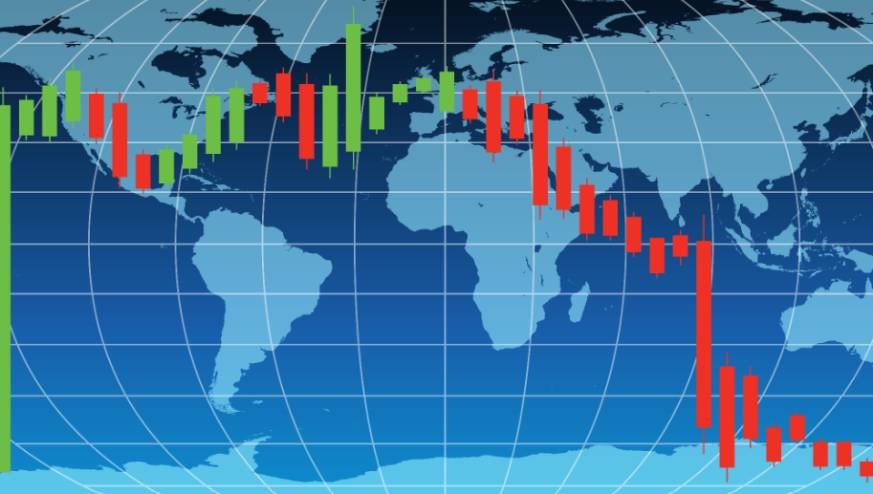
When I look at the economy right now, I do not see one single trend driving everything. I see several forces moving at the same time: higher living costs, artificial intelligence, trade pressure, oil prices, interest rates, and global political uncertainty.
That is why understanding Global Market Trends That Could Shape the Economy matters more than ever for American families, investors, workers, and business owners.
The economy no longer changes only because of what happens inside one country. A shipping delay in Asia can raise retail prices in New York. An energy shock overseas can increase fuel costs in Texas. A central bank decision can affect mortgages, credit cards, stocks, and business loans.
The trends below are the major forces that could influence prices, jobs, savings, investments, and business growth in 2026.
Slower Global Growth Could Affect American Spending
One of the biggest market trends is slower and uneven global growth. Some economies are still expanding, but not all regions are growing at the same speed.
When global growth slows, companies may become cautious about hiring, expansion, and new investments.
For American consumers, this can show up in different ways. Imported products may become more expensive, businesses may reduce discounts, and employers may slow down hiring.
A weaker global economy can also reduce demand for American exports, which may affect manufacturers, farmers, energy companies, and technology businesses.
The key point is simple: slower growth does not always mean a recession, but it can create a more careful economy where businesses and households watch every dollar.
Inflation and Interest Rates Will Still Matter
Inflation remains one of the most important issues for households. Even when inflation cools, prices do not always fall back to where they were before. Groceries, rent, insurance, healthcare, gas, and loan payments can still feel expensive.
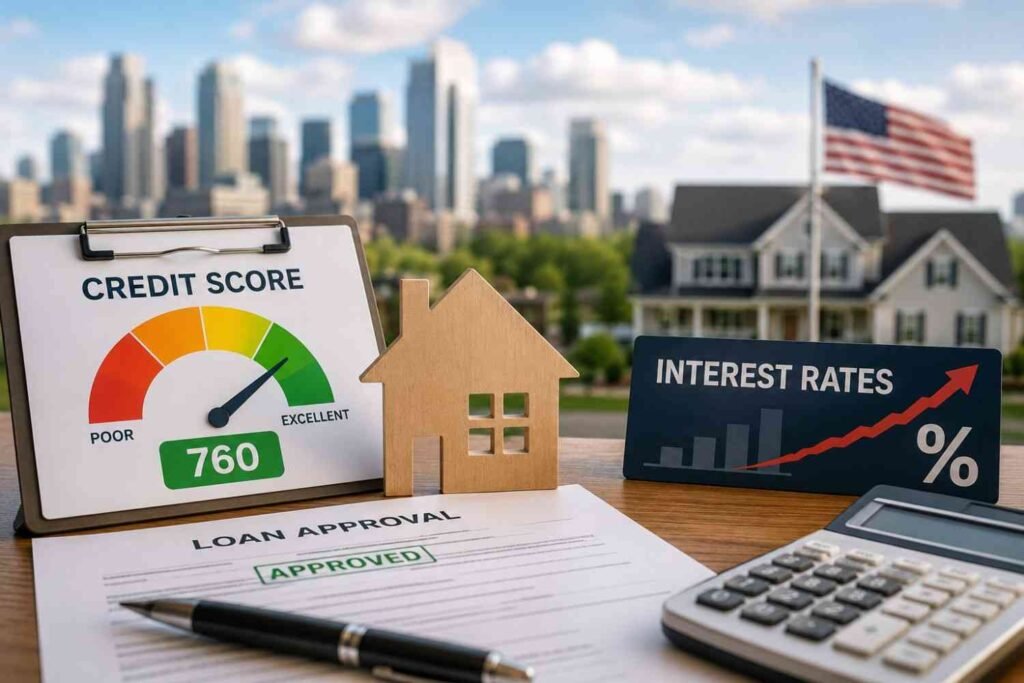
Interest rates are just as important. If rates stay high, borrowing becomes costly. That affects mortgages, auto loans, credit cards, student loans, business financing, and real estate activity.
If rates fall, consumers and businesses may feel more confident, but inflation could return if demand rises too quickly.
This is why central bank decisions will remain a major market signal. Families may watch monthly budgets, while investors watch bond yields, stock valuations, and company earnings.
Trade Wars and Tariffs Could Raise Prices
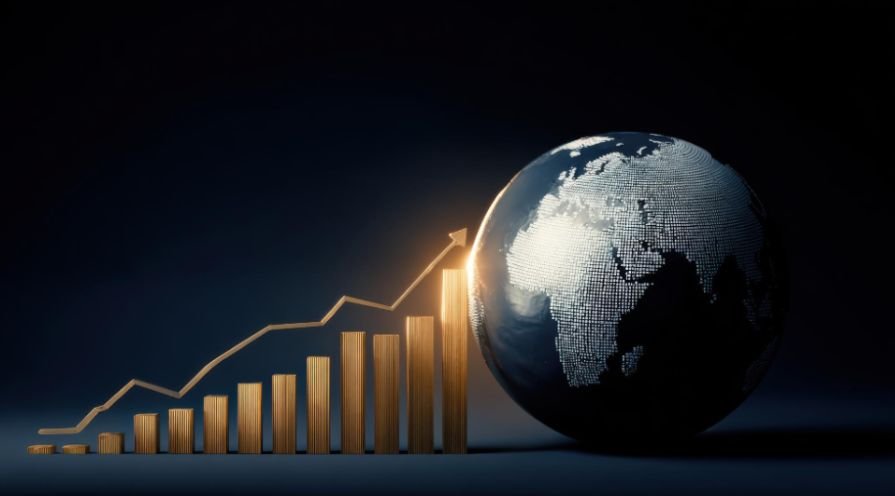
Trade policy is another major force. Tariffs, import restrictions, and supply chain changes can increase costs for businesses that depend on foreign goods, raw materials, or manufacturing partners.
For American shoppers, this can mean higher prices on electronics, clothing, furniture, cars, food items, and home improvement products. For companies, it can mean lower profit margins unless they pass those costs to customers.
Many businesses are now trying to reduce risk by moving suppliers closer to home or spreading production across multiple countries. This shift may improve supply chain security, but it can also make goods more expensive in the short term.
AI Investment Could Reshape Jobs and Productivity
Artificial intelligence is one of the most powerful Global Market Trends That Could Shape the Economy because it affects nearly every industry. Businesses are using AI for customer service, marketing, fraud detection, data analysis, software development, logistics, and financial planning.
For the American workforce, AI brings both opportunity and pressure. Some tasks may become automated, while new roles may appear in technology, cybersecurity, data management, healthcare, education, and business operations.
Workers who can use AI tools may become more productive and valuable.
For companies, AI could reduce costs and improve speed. However, businesses that ignore it may fall behind competitors. The economy may see a productivity boost, but the transition could be uneven across industries and income groups.
Energy and Commodity Prices Could Hit Household Budgets
Oil, natural gas, food, and metals can strongly influence the economy. When energy prices rise, transportation, shipping, manufacturing, and household utility costs often rise too. This can affect everything from airline tickets to grocery prices.
Commodity prices also matter for construction, farming, technology, and automotive industries. Higher metal costs can affect electric vehicles, batteries, infrastructure projects, and consumer electronics.
For American families, energy and food prices are especially important because they affect daily spending. When these essentials become expensive, people often cut back on restaurants, entertainment, travel, and nonessential shopping.
Geopolitical Risk Could Create Market Volatility
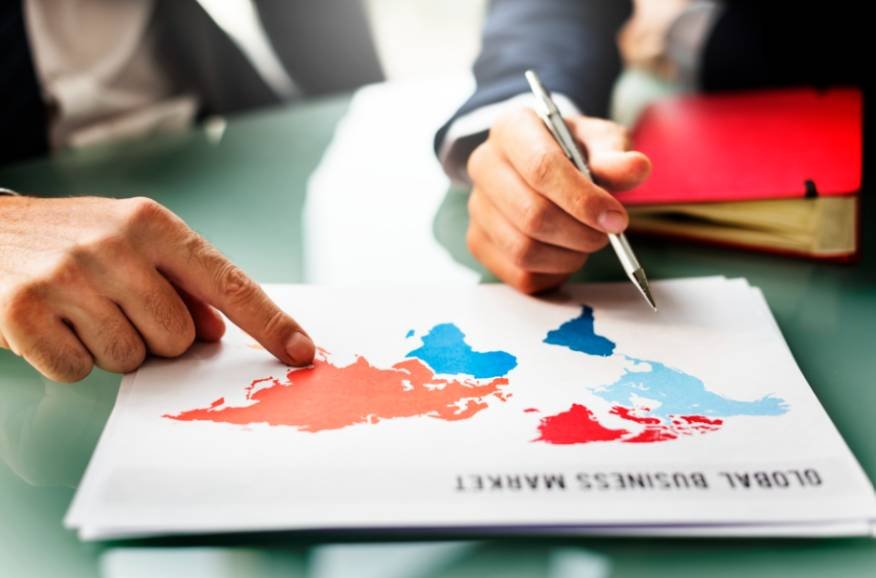
Conflicts, sanctions, elections, and diplomatic tensions can move markets quickly. Investors may react to headlines about energy supply, shipping routes, trade restrictions, military conflict, or currency pressure.
Geopolitical uncertainty can make stock markets more volatile. It can also push investors toward safer assets such as bonds, gold, or cash. Businesses may delay expansion plans if global risk feels too high.
This trend matters because markets do not only respond to numbers. They also respond to confidence. When confidence weakens, spending, hiring, and investing can slow.
Emerging Markets May Create New Opportunities
Emerging markets can play a major role in future growth. Countries with younger populations, expanding middle classes, and growing digital adoption may become important centers for trade, manufacturing, and investment.
For American businesses, emerging markets can create demand for technology, healthcare, financial services, education, energy, and consumer products. For investors, they may offer growth opportunities, but with higher risk.
Currency changes, political stability, inflation, and debt levels must be watched carefully. Emerging markets can grow quickly, but they can also be affected by a strong dollar and global rate changes.
Consumer spending is one of the clearest signals of economic health. If households keep spending, businesses can continue hiring and investing. If consumers pull back, restaurants, retailers, travel companies, entertainment brands, and service businesses may feel pressure.
In the United States, household debt, wage growth, rent, insurance costs, and credit card rates will all influence spending behavior. If people feel financially stretched, they may delay big purchases such as cars, homes, furniture, and vacations.
That is why businesses should watch not only sales numbers but also customer behavior. Smaller purchases, discount hunting, and slower repeat orders can be early warning signs.
What Businesses and Investors Should Watch
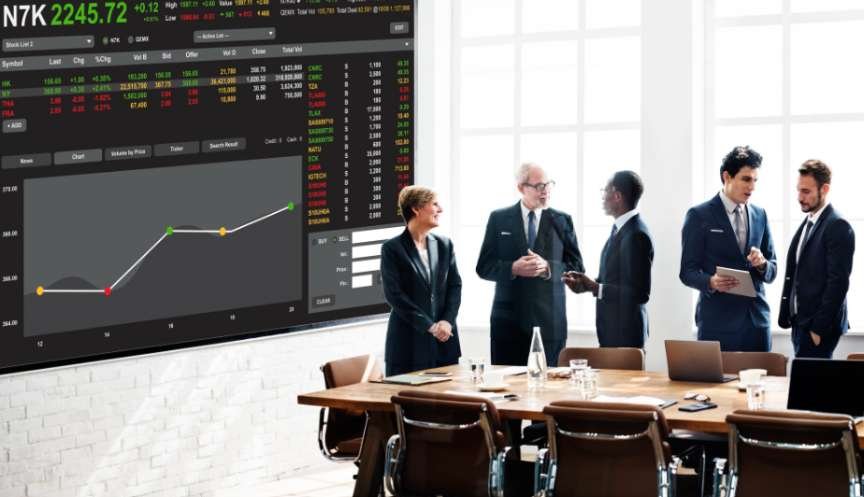
The smartest way to follow the economy is to track signals instead of reacting to every headline. Important indicators include inflation reports, job growth, wage data, oil prices, central bank decisions, retail sales, stock market earnings, housing activity, and consumer confidence.
For beginners, understanding market signals can also make investing feel less confusing. Before reacting to headlines, it helps to build a simple foundation around risk, goals, and patience, especially if you are learning to start investing with little money.
Business owners should also watch supplier costs, customer demand, borrowing rates, and cash flow. Investors should pay attention to valuation, sector rotation, interest rates, and global risk.
The economy may not move in a straight line. Some sectors may grow while others slow down. Technology, energy, healthcare, defense, infrastructure, and financial services could all react differently depending on policy, demand, and global events.
Frequently Asked Questions
1. What are the main Global Market Trends That Could Shape the Economy?
The main trends include inflation, interest rates, AI growth, trade tensions, energy prices, geopolitical risk, slower global growth, and changing consumer spending.
2. How do global market trends affect American families?
They can influence grocery bills, gas prices, mortgage rates, job security, retirement accounts, loan costs, and the overall cost of living.
3. Why does AI matter for the economy?
AI can improve productivity, reduce business costs, change job roles, create new industries, and increase competition across almost every major sector.
4. What should small businesses watch in 2026?
Small businesses should watch customer spending, supplier prices, loan rates, labor costs, digital tools, local demand, and changes in trade or tax policy.
Final Takeaways
When I think about the year ahead, I believe the economy will reward people who pay attention early. The biggest risks may come from inflation, energy shocks, trade pressure, and global uncertainty. The biggest opportunities may come from AI, stronger productivity, emerging markets, and smarter business planning.
The goal is not to predict every market move perfectly. The goal is to understand the forces that can affect daily life, business decisions, and long-term wealth. By watching Global Market Trends That Could Shape the Economy, Americans can make better choices about spending, saving, investing, hiring, and preparing for change.