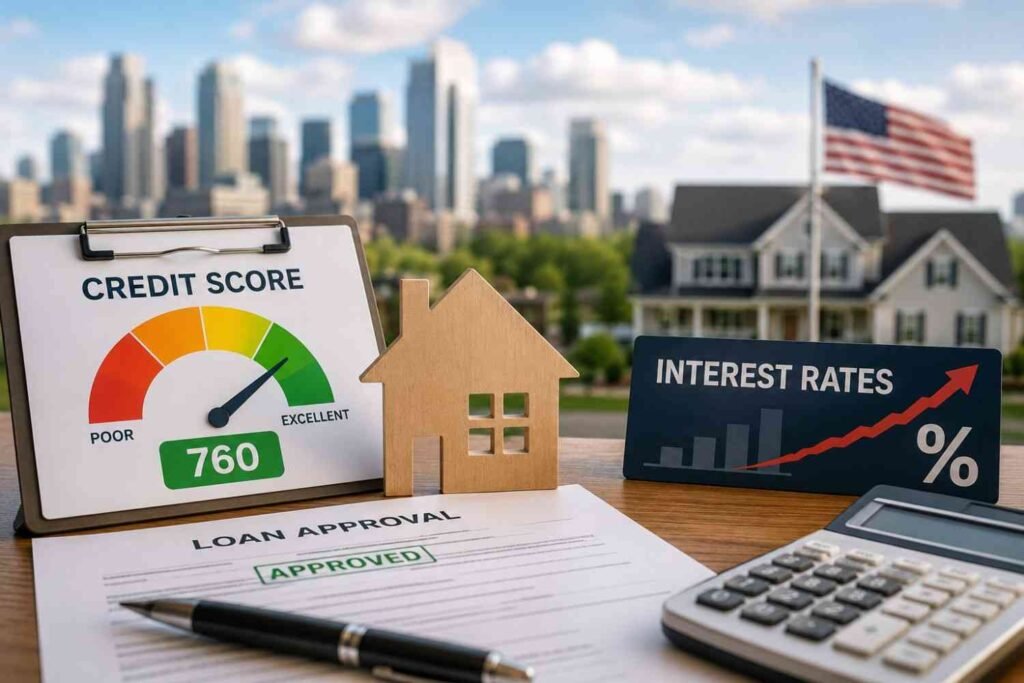

I used to think inflation was only a higher grocery bill, a painful gas receipt, or a rent increase that arrived at the worst time. But once I started watching markets closely, I realized inflation does something bigger.
It changes how families spend, how companies price products, how the Federal Reserve responds, and how investors decide where their money belongs. That is why understanding How Inflation Impacts Market Trends and Investment Decisions matters before making any serious portfolio move.
What Inflation Really Means for Investors
Inflation means money buys less than it did before. For American households, that may show up in food, housing, insurance, utilities, transportation, and healthcare costs. For investors, the bigger issue is purchasing power. A portfolio can grow on paper and still fall behind if returns fail to beat inflation.
This is where real return becomes important. If an investment earns 5% but inflation is 4%, the real gain is only about 1% before taxes and fees. That is why investors cannot judge performance by headline returns alone.
How Inflation Shapes Market Trends
Inflation can shift market direction because it affects consumer behavior first. When everyday costs rise, many households cut back on restaurants, travel, entertainment, luxury goods, and big-ticket purchases.
Inflation does not move alone, so investors should also consider the Global Market Shape the Economy before making long-term portfolio decisions.
Businesses then face a difficult choice. They can raise prices and risk losing customers, or absorb higher costs and accept lower margins.
Companies with strong pricing power often perform better because customers keep buying even after price increases. Businesses with weak pricing power may struggle as wages, materials, shipping, rent, and borrowing costs rise.
Market trends also change when investors predict what the Federal Reserve may do next. If inflation stays high, investors often expect higher interest rates for longer. That can pressure stock valuations, slow borrowing, and make safer income investments more attractive.
Why Inflation Changes Investment Decisions

Inflation forces investors to rethink risk. Cash feels safe, but too much cash can quietly lose value when prices keep rising. Bonds can provide income, but existing bond prices may fall when interest rates rise. Stocks can offer long-term growth, but inflation can increase volatility when corporate profits become harder to predict.
This is why investors often shift toward quality. They look for companies with durable demand, strong balance sheets, reliable cash flow, and the ability to raise prices without losing customers. They may also review dividend stocks, Treasury Inflation-Protected Securities, commodities, real estate-related assets, and diversified funds.
Inflation and the Stock Market
Inflation affects the stock market differently by company and sector. Growth stocks can become more sensitive because higher rates reduce the present value of future earnings. That means companies promising big profits years from now may see sharper valuation pressure.
Value stocks may hold up better when they have current earnings, strong cash flow, and reasonable valuations. Defensive sectors such as consumer staples, healthcare, and utilities may attract attention because people still need food, medicine, power, and basic services.
Energy and materials can sometimes benefit when commodity prices are part of the inflation story. However, chasing a hot sector after prices have already surged can be risky. Investors need to know whether the trend is supported by earnings or only by short-term excitement.
Inflation and Bonds
Bonds are often seen as stable, but inflation can make them more complicated. When rates rise, older bonds with lower yields become less attractive, which can push their prices down. Long-duration bonds usually feel this pressure more than short-duration bonds.
That does not mean bonds have no place in a portfolio. They can still provide income, reduce volatility, and support planning goals. The key is understanding duration, yield, credit quality, and whether the bond position fits the investor’s time horizon.
Some investors also consider Treasury Inflation-Protected Securities because their principal adjusts with inflation. They are not perfect for every situation, but they can help protect purchasing power in certain strategies.
Investment Strategies During Inflation
A smart inflation strategy starts with diversification. Investors should avoid putting all their money into one inflation hedge because no asset works perfectly in every cycle. Stocks, bonds, cash, commodities, real estate exposure, and inflation-protected securities each behave differently.
Investors should also focus on real returns. A high yield may look attractive, but taxes, fees, and inflation can reduce the actual benefit. Low-cost diversified funds, disciplined contributions, and regular rebalancing can help investors stay consistent instead of reacting emotionally.
During inflation, cautious investors often look for safer options, but they should compare returns, liquidity, and risk before choosing the best place to invest money without risk.
Another useful strategy is looking for companies that serve essential needs. Businesses tied to groceries, healthcare, utilities, insurance, logistics, and household necessities may be better positioned when consumers cut discretionary spending. Still, valuation matters.
Common Mistakes Investors Make During Inflation
One mistake is panic selling after markets drop. Inflation-driven volatility can feel frightening, but selling after a decline may lock in losses and damage long-term returns.
Another mistake is holding too much cash. Emergency savings are important, but keeping all long-term money in cash can reduce future buying power.
A third mistake is chasing headlines. By the time inflation, oil, gold, or certain sectors dominate the news, much of the move may already be priced in. Investors should avoid decisions based only on fear.
Frequently Asked Questions
1. What is the biggest lesson from How Inflation Impacts Market Trends and Investment Decisions?
The biggest lesson is that inflation affects both market behavior and portfolio choices by changing purchasing power, rates, profits, and investor sentiment.
2. Is inflation always bad for stocks?
Not always. Some companies can raise prices, protect margins, and keep earnings strong. Others may struggle when costs rise faster than revenue.
3. What investments can help during inflation?
Diversified stocks, short-duration bonds, inflation-protected securities, commodities, real estate exposure, and dividend-paying companies may help, depending on goals and risk tolerance.
4. Should investors change their portfolio every time inflation rises?
Not automatically. A better approach is to review allocation, rebalance when needed, and stay focused on long-term purchasing power.
Final Thoughts
When I look at inflation now, I no longer see it as only a household budget problem. I see it as a market signal that can influence spending, earnings, rates, valuations, and investor confidence. The smartest investors do not panic every time prices rise.
They study the trend, protect real returns, diversify carefully, and make decisions based on long-term goals instead of short-term noise. That mindset can help turn inflation from a fear trigger into a smarter investment planning tool.