
Money feels easier to manage when it has a safe home. The search for the best place to invest money without risk usually starts with one goal: protect what you have while still earning something steady, simple, and reliable.
In investing basics, “without risk” does not mean magic returns. It means choosing low-risk investments where the chance of losing your principal is extremely small. The safest choices are usually government-backed securities and insured bank accounts.
Key Takeaways
- Safe money needs protection, access, and purpose.
- U.S. Treasurys are among the safest options.
- FDIC and NCUA insurance protect eligible deposits.
- Higher returns usually bring higher risk.
- Inflation can still weaken safe cash.
What Low Risk Investment Really Means?
Low-risk investing is about reducing surprises, not removing every downside. Even the safest vehicles can have trade-offs, such as lower returns, early withdrawal penalties, changing interest rates, or inflation risk.
For beginners, this is good news. You do not need complex strategies to start safely. You need clear choices, insured accounts when possible, and a timeline for when you will use the money.
U.S. Treasury Securities
U.S. Treasury securities include bills, notes, and bonds issued by the U.S. Treasury. They are backed by the full faith and credit of the U.S. government, which makes them one of the safest investment choices available.
Treasury bills, or T-bills, are especially useful for short-term goals because they mature in one year or less. Treasury notes and bonds last longer, so they may fit investors who want predictable income over time.
You can buy Treasurys directly through TreasuryDirect or through many brokerage accounts. If you hold them until maturity, they are designed to return your principal plus interest.
Series I Savings Bonds

Series I Savings Bonds, often called I Bonds, are issued by the U.S. Treasury and built to help protect your purchasing power. Their interest rate combines a fixed rate with a variable inflation-linked rate.
This makes I Bonds helpful when prices are rising. They may not make you rich quickly, but they can help your money keep pace better than regular cash when inflation is high.
The trade-off is access. I Bonds must be held for at least one year, and cashing out before five years usually means losing the last three months of interest. They are safe, but not ideal for instant access.
Certificates Of Deposit
Certificates of deposit, or CDs, are deposit accounts offered by banks and credit unions. When opened at an FDIC-insured bank or NCUA-insured credit union, your principal is protected up to applicable limits.
A CD works well when you can lock money away for a specific time. You choose a term, such as six months, one year, or three years, and the institution pays a fixed interest rate until maturity.
The biggest drawback is liquidity. Taking money out early can trigger a penalty. For flexibility, many beginners use a CD ladder, placing money into several CDs with different maturity dates.
High-Yield Savings Accounts
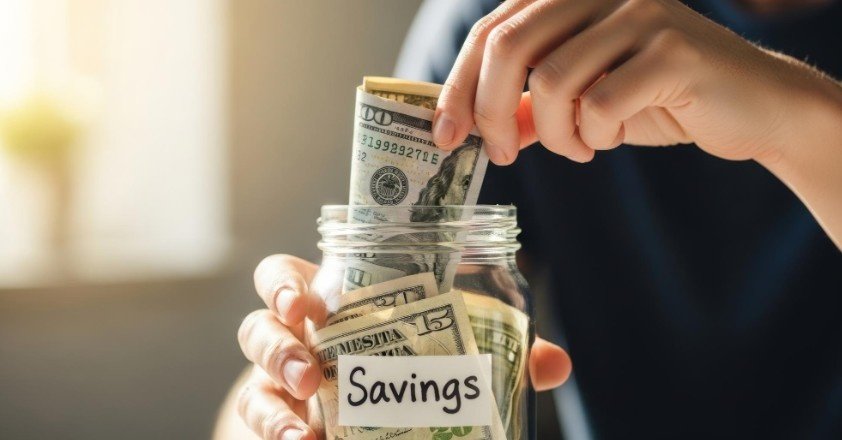
High-yield savings accounts, or HYSAs, are one of the easiest safe options for beginners. They are often offered by online banks and usually pay more interest than traditional savings accounts.
If the bank is FDIC-insured, your eligible deposits are protected up to the legal limit. That makes an HYSA a strong home for emergency funds, short-term savings, and cash you want available without penalties.
Rates can change, so compare annual percentage yields, fees, minimum balances, and transfer speed. The best account is not only the highest rate. It is the one that keeps your money safe and easy to use.
Money Market Accounts
Money market accounts, or MMAs, are bank deposit accounts that often combine savings features with limited checking features. Some offer debit cards, checks, or higher yields for larger balances.
Like HYSAs and CDs, MMAs can be insured when offered by FDIC-insured banks or NCUA-insured credit unions. That protection makes them a practical choice for cautious savers.
The catch is that some MMAs require higher minimum balances to earn the best rates or avoid fees. Before opening one, check the balance rules, withdrawal limits, and whether the extra features are worth it.
How To Use The Best Place To Without Risk
The best place to invest money without risk becomes clearer when you match each dollar to a job. Money needed soon should stay liquid, while money needed later can be placed in options that pay more but limit access.
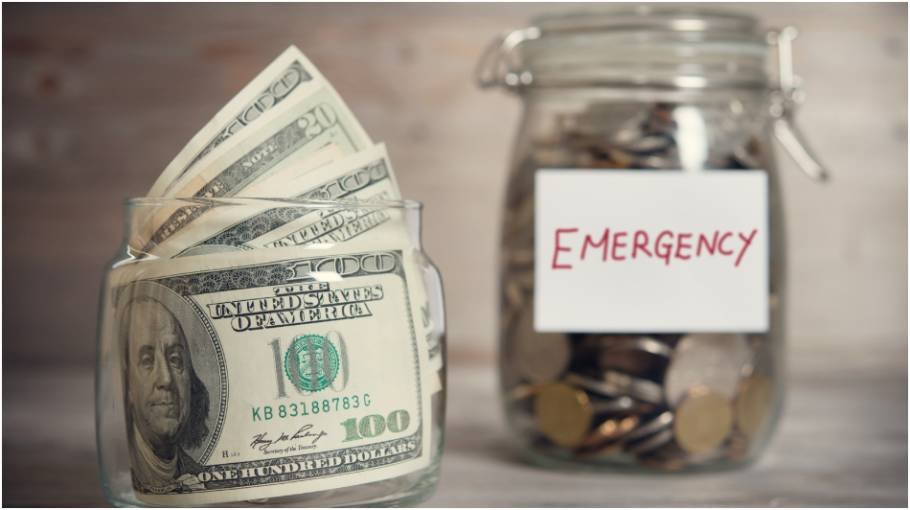
Start with your emergency fund. You can start investing with little money. Put it in a high-yield savings account or insured money market account so you can reach it quickly. This money is not meant to impress anyone. It is meant to protect you.
Next, place planned expenses into short-term Treasurys or CDs. A house down payment, tax bill, or tuition payment may fit well in a T-bill or CD ladder. Keep long-term wealth-building money separate because growth often requires market risk.

Choose Your Timeline
Your timeline should guide your choice before yield does. Money needed this month belongs in an insured savings account. If money is needed in six to twelve months may fit T-bills or short-term CDs.
Money that will not be needed for several years may handle more structure, such as a Treasury ladder or CD ladder. This keeps your plan safe without leaving every dollar idle.
Check Safety First
Look for FDIC insurance, NCUA insurance, or U.S. government backing. These protections matter more than flashy rates, especially when the money is meant for safety.
Also check whether your balance stays within insurance limits. A safe account can become less safe if your deposits exceed protected amounts and you do not spread funds properly.
Compare Access And Return
A higher yield is helpful, but only if the account fits your needs. A CD may pay more than a savings account, but it may charge penalties if you withdraw early.
A simple rule works well: emergency money needs access, planned money needs timing, and long-term money needs growth. That keeps your safe investing plan practical.
Mistakes Beginners Should Avoid
The first mistake is chasing high returns while calling the money safe. Crypto, penny stocks, options trading, and leveraged funds may grow fast, but they can also lose value quickly.
The second mistake is ignoring inflation. Cash can be protected and still lose purchasing power over time. That is why I Bonds, TIPS, and Treasury ladders can be useful for some savers.
Frequently Asked Questions
1. What Is The Safest Place To Invest Money?
The safest place is usually an FDIC-insured high-yield savings account for cash access or U.S. Treasury securities for government-backed safety and predictable maturity value.
2. How Much Money Do I Need To Invest To Make $3,000 A Month?
At a 4% annual yield, you would need about $900,000 before taxes. Earning $3,000 monthly with less money usually requires taking more investment risk.
3. Where Can I Put $10,000 To Make The Most Money?
For safety, compare HYSAs, CDs, Treasury bills, and money market accounts. For higher long-term growth, diversified stock funds may earn more but can lose value.
4. How To Turn $5000 Into $1 Million?
Turning $5,000 into $1 million usually requires decades of compounding, regular contributions, and growth investing. Fast paths often involve speculation and serious loss risk.
Safe Money, Happy Wallet
The best place to invest money without risk is usually a mix of U.S. Treasury securities and insured bank accounts. Treasurys, I Bonds, CDs, high-yield savings accounts, and money market accounts all serve different needs. Choose based on safety, access, yield, and timing. Your money does not have to be risky to be useful. It just needs the right job.