Most people focus on one number when borrowing money: the amount they need. Whether it is a personal loan, auto loan, or credit card balance, the borrowed amount often gets all the attention. What many borrowers discover later is that the amount borrowed is only part of the story. The real expense comes from the additional costs attached to the loan.
I have seen many people compare loan offers based solely on the advertised interest rate and assume they are getting the best deal. Then they notice extra charges, processing fees, or a higher total repayment amount than expected. Understanding borrowing costs before signing any loan agreement can help you avoid surprises and make smarter financial decisions.
What Does Borrowing Cost Really Mean?
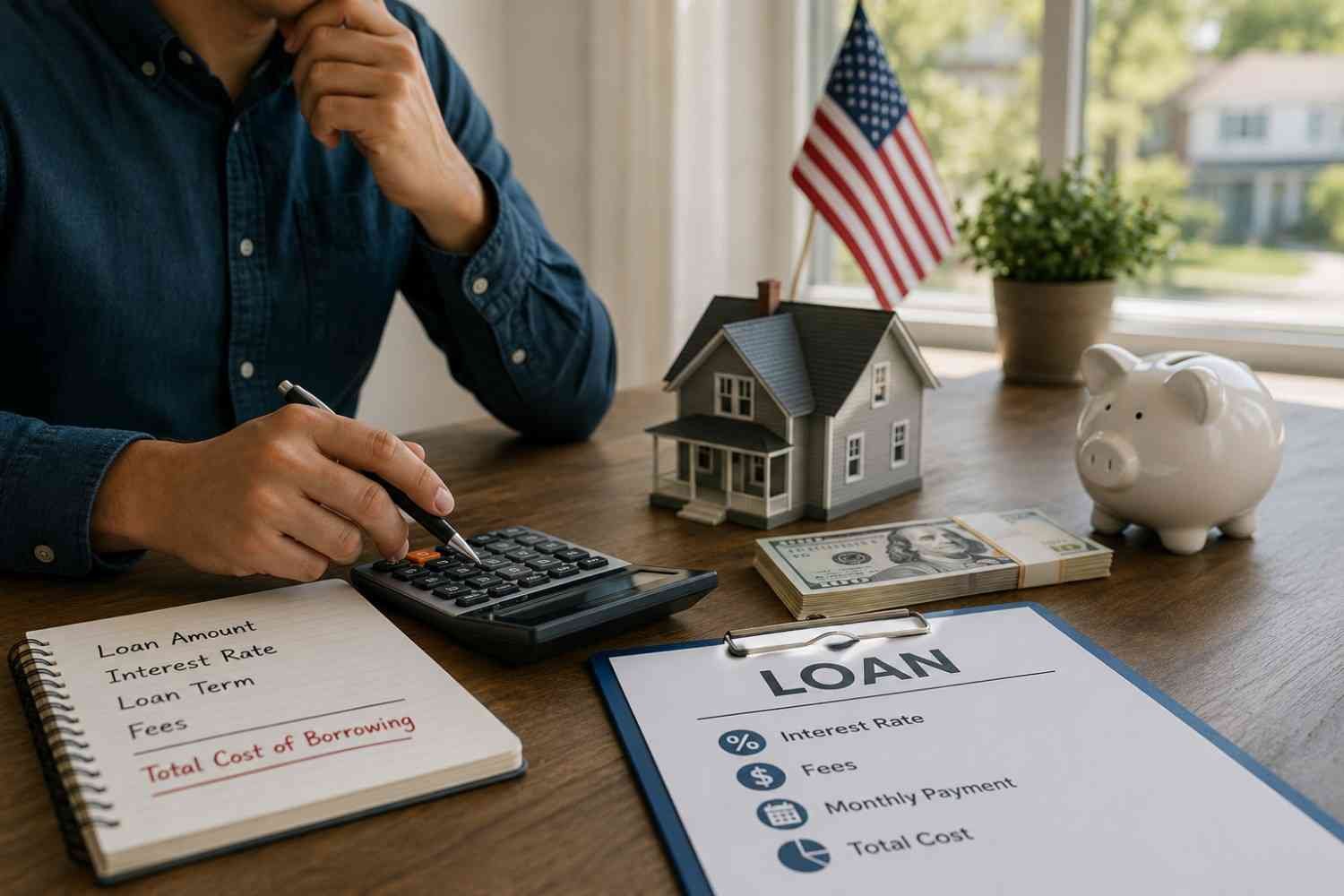
Borrowing costs refer to all the expenses associated with borrowing money from a lender. These costs go beyond the principal amount and include interest, lender fees, and other finance charges that increase the total loan cost.
For example, if you borrow $10,000, you will likely repay more than $10,000 over the life of the loan. The difference represents the cost of borrowing. Depending on the lender, repayment term, and loan type, that extra amount can vary significantly.
Understanding these costs helps borrowers compare loan offers accurately and determine which option is truly affordable.
Interest: The Cost Of Using Someone Else’s Money
Interest is the fee lenders charge for allowing you to use their money. It is usually expressed as a percentage known as the loan interest rate.
When you borrow funds, interest accumulates over time based on your remaining balance. The longer it takes to repay the loan, the more interest you typically pay.
For example, imagine borrowing $10,000 at a 10% annual interest rate. The lender charges interest on the outstanding balance until the debt is fully repaid. While the exact amount depends on the repayment schedule, the total repayment will exceed the original amount borrowed.
One common mistake borrowers make is focusing only on securing a low interest rate. While rates matter, they do not always tell the whole story. A loan with a lower rate but a much longer repayment term can sometimes cost more overall than a loan with a slightly higher rate and a shorter repayment period.
Fees: The Charges Many Borrowers Overlook

Interest is not the only expense attached to borrowing money. Many lenders charge additional fees that increase the overall cost of credit.
These fees may appear small at first, but they can add up quickly.
Some common lender fees include:
- Origination fees for processing a new loan
- Application or administrative fees
- Annual fees on certain credit products
- Late payment penalties
- Returned payment fees
Unlike interest, these charges are often fixed amounts rather than percentages. That means they can have a significant impact on smaller loans.
When reviewing loan pricing, it is important to read the fee schedule carefully. A loan with a competitive interest rate may still be expensive if the lender adds substantial fees throughout the repayment period.
APR: The Number That Shows The Bigger Picture
APR, or Annual Percentage Rate, is one of the most valuable tools for comparing loan offers.
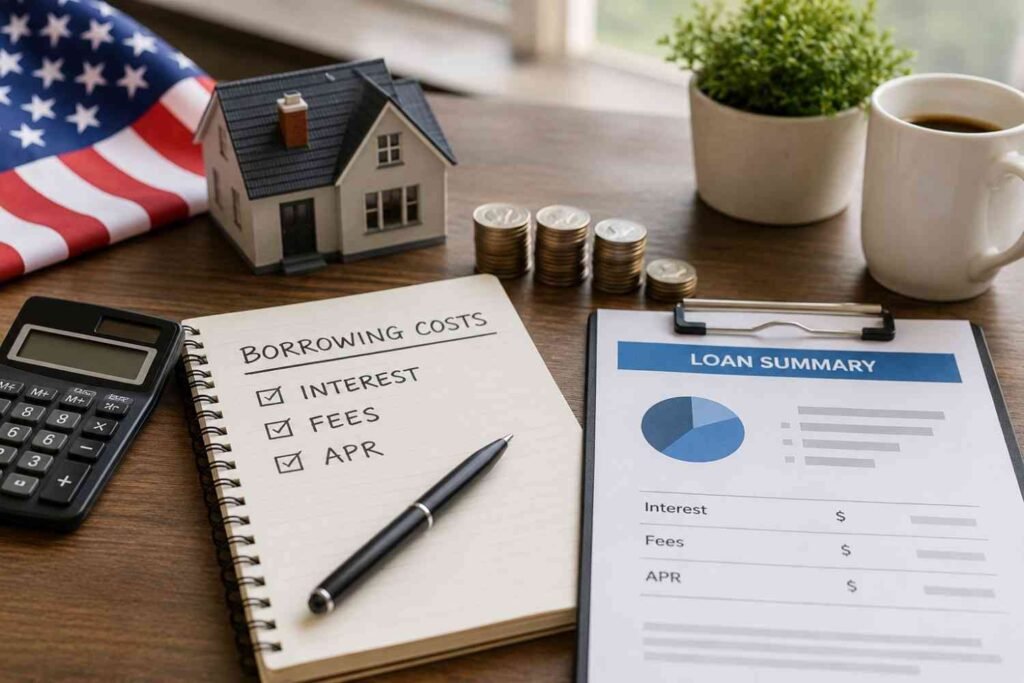
While an interest rate shows the cost of borrowing the principal, APR reflects the broader annual borrowing cost by including both the interest rate and certain mandatory fees.
This makes APR a more complete measure of loan affordability.
Imagine two lenders offering similar loans:
- Loan A has a 5% interest rate but includes several upfront fees.
- Loan B has a 6% interest rate and no major fees.
At first glance, Loan A appears cheaper. However, once fees are included, its APR may actually be higher than Loan B’s. In that case, Loan B could cost less overall despite having the higher interest rate.
That is why experienced borrowers often compare APRs before comparing advertised rates.
Why Borrowing Costs Vary From One Person To Another

Not every borrower receives the same loan terms. Lenders evaluate several factors when determining borrowing expenses.
Some of the most influential factors include:
- Credit score and credit history
- Income stability
- Debt-to-income ratio
- Loan amount
- Repayment term
- Type of loan
- Current market interest rates
Borrowers with stronger credit profiles generally qualify for lower rates and better terms. Those with lower credit scores may face higher finance charges because lenders view them as riskier applicants.
A Simple Way To Compare Loan Offers
When evaluating multiple loan options, it helps to look beyond the monthly payment.
A lower monthly payment can seem attractive, but it may result from extending the repayment term. Longer terms often increase the total repayment amount because interest continues accumulating for a longer period.
A practical approach is to compare:
- Interest rate
- APR
- Total fees
- Total repayment cost
- Loan term
If you are researching borrowing options, a detailed personal loan guide can help you understand how these factors work together and what questions to ask before accepting a loan offer.
Common Borrowing Mistakes To Avoid

Many people pay more than necessary because they overlook key details during the application process.
One of the most common mistakes is choosing a loan based solely on the advertised rate. Another is ignoring fees buried in the loan agreement.
Borrowers should also avoid accepting the first offer they receive. Shopping around and comparing multiple lenders often leads to better terms and lower borrowing expenses.
Finally, failing to read the full loan agreement can create unexpected costs later. Understanding repayment conditions, penalties, and fee structures before signing can prevent expensive surprises.
FAQs: Borrowing Costs Explained: A Simple Breakdown of Interest, Fees, and APR
1. What is the difference between an interest rate and APR?
An interest rate represents the cost of borrowing the principal amount. APR includes the interest rate plus certain fees, providing a more complete picture of the total borrowing cost.
2. Why is APR important when comparing loans?
APR helps borrowers compare loan offers more accurately because it accounts for both interest and applicable fees. It often reveals costs that are not obvious from the interest rate alone.
3. Do all loans include additional fees?
Not all loans have the same fees, but many lenders charge origination fees, late fees, annual fees, or administrative charges. Reviewing the fee structure is essential before accepting any loan.
4. Can a lower interest rate still result in a more expensive loan?
Yes. A loan with a lower interest rate may have higher fees or a longer repayment term, increasing the total amount repaid over time.
Final Thoughts
Understanding borrowing costs is one of the most important parts of making sound financial decisions. Interest, fees, and APR each tell a different part of the story, and focusing on only one of them can lead to costly mistakes. The most affordable loan is not always the one with the lowest advertised rate. By comparing the full cost of borrowing, reviewing lender fees carefully, and paying attention to APR, borrowers can make more confident choices and avoid unnecessary expenses.
A little extra research before signing a loan agreement can save money for years. Looking beyond the headline rate often reveals the true value of a loan offer.