

Why Household Expense Planning Starts With Clarity
I used to think budgeting meant cutting every fun thing from life. It does not. The real answer to how to plan household expenses is much simpler: know what comes in, know what goes out, and decide where your money should go before it disappears.
Most households do not lose control because of one huge purchase. They lose control through small leaks. A streaming app here, food delivery there, a higher phone bill, a forgotten annual renewal, and suddenly the paycheck feels smaller than it should.
That is why household expense planning needs a clear system. A good budget does not shame you. It gives every dollar a job so your bills, savings, debt payments, and everyday spending stop fighting each other.
Step 1: Calculate Your Real Take-Home Income

Start with net income, not gross income. Gross income can make your budget look stronger than it is because it ignores taxes, insurance, retirement deductions, and other payroll deductions.
List only the money that actually reaches your checking account each month. Include your main salary, reliable side income, freelance payouts, and any recurring household contribution from a spouse or partner.
Do not include random bonuses, tax refunds, or occasional gifts as regular income. Treat those as extra money when they arrive. This keeps your monthly plan realistic.
For example, if your salary is $5,200 before taxes but your actual monthly deposit is $4,050, your budget starts at $4,050. That number is your spending limit, savings limit, and decision-making base.
Step 2: Sort Every Expense Into the Right Category
The fastest way to understand how to plan household expenses is to divide spending into four simple groups. Pull your last three months of bank and credit card statements. Then place every expense into one category.
Fixed Essentials
Fixed essentials are bills you must pay and that usually stay the same each month. This includes rent, mortgage payments, insurance premiums, minimum loan payments, childcare, and internet service.
These costs matter because they are harder to change quickly. If fixed essentials are too high, small cuts in coffee or subscriptions may help, but they will not fully fix the budget.
Variable Essentials
Variable essentials are necessary costs that change month to month. Groceries, gas, electricity, water, household supplies, and basic medical costs fall here.
This category gives you room to adjust. You may not control grocery prices, but you can control meal planning, brand choices, delivery fees, and waste.
Discretionary Spending
Discretionary spending includes wants. Dining out, hobbies, entertainment, shopping, premium apps, and extra subscriptions belong here.
This is not a “bad” category. Enjoyment belongs in a realistic budget. The problem starts when wants quietly crowd out savings, debt payoff, or basic bills.
Irregular Expenses
Irregular expenses are the bills people forget until they arrive. Car registration, holiday gifts, school supplies, property taxes, annual memberships, home repairs, and travel costs can wreck a monthly budget.
Divide each annual cost by 12 and save that amount monthly. A $600 annual car insurance bill becomes $50 per month. This makes big expenses feel normal instead of stressful.
Step 3: Choose a Budgeting Method That Fits Your Life
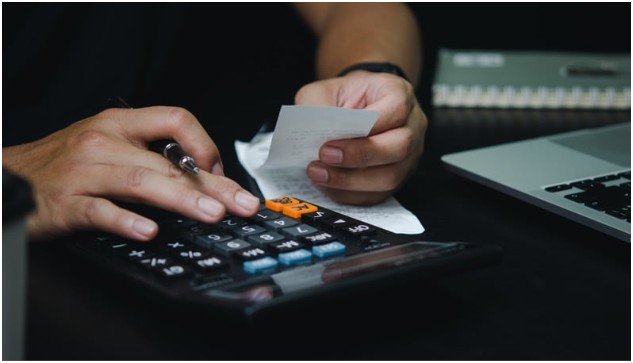
A budget only works if you can actually follow it. Choose a structure that matches your habits.
The 50/30/20 Rule
The 50/30/20 rule puts 50% of take-home income toward needs, 30% toward wants, and 20% toward savings or debt payoff.
This method works well if your income is steady and your essential costs are manageable. If housing, transportation, and groceries already take more than 50%, adjust the rule instead of quitting. A temporary 60/25/15 split may be more realistic.
Zero-Based Budgeting
Zero-based budgeting gives every dollar a job before the month starts. Income minus expenses, savings, investments, and debt payments should equal zero.
This does not mean spending everything. It means every dollar is assigned. Some dollars go to rent. Some go to groceries. Some go to emergency savings. Some go to future bills.
This method works best if you want complete control.
The Envelope System
The envelope system gives each flexible category a limit. You can use cash envelopes or digital versions inside a budgeting app.
For example, you may set $550 for groceries, $150 for dining out, and $100 for entertainment. Once the category is empty, spending stops until next month.
This method works well for households that overspend in specific categories.
Step 4: How to Cut Unnecessary Expenses Without Feeling Broke

Learning how to cut unnecessary expenses is not about becoming cheap. It is about removing spending that no longer gives you value.
Audit Subscriptions and Recurring Charges
Print or download your last three bank statements. Highlight every recurring charge. Many households pay for unused video streaming services, gym memberships, premium apps, cloud storage, subscriptions, and free trials that turned into paid plans.
Cancel what you rarely use. Rotate streaming services instead of keeping all of them at once. If you watch one platform this month, cancel the others and restart them later only when needed.
Lower Utility, Phone, and Insurance Bills
Some expenses feel fixed but are negotiable. Call your internet provider and ask for a lower rate. Compare car insurance quotes. Review your phone plan. Switch to a lower-cost carrier if your usage is basic.
Energy costs can also shrink with small habits. Adjust the thermostat, seal drafts, wash clothes in cold water, and unplug devices you rarely use.
These changes do not feel dramatic, but they can create steady savings every month.
Fix Daily Food Spending
Food is one of the easiest places to overspend because it happens in small decisions. A quick coffee, lunch delivery, snacks at checkout, and unplanned grocery trips can add up fast.
Cook at home more often. Pack lunch for work. Brew coffee at home on weekdays. Plan meals before grocery shopping. Avoid delivery apps when you already have food available.
You do not need a perfect meal plan. You need a realistic one. Even three planned dinners per week can reduce waste and last-minute takeout.
Slow Down Impulse Shopping
Impulse spending thrives on speed. Use a 48-hour rule before buying non-essential items online. If you still want the item after two days and it fits the budget, buy it guilt-free.
Delete saved credit cards from browsers. Unsubscribe from retail emails. Remove shopping apps from your phone if they trigger late-night purchases.
The goal is not to never shop. The goal is to stop buying things you forget about two weeks later.
Step 5: Build a Monthly Review Habit

Your first budget will not be perfect. That is normal. The power comes from reviewing it.
At the end of each month, compare planned spending with actual spending. Look for categories that were too low, too high, or unrealistic.
Ask three questions. Where did we overspend? What bill surprised us? What should change next month?
This review turns your budget from a static document into a working system. It also helps you avoid money mistakes to avoid when income, prices, or family needs change.
A Simple Household Expense Example
Here is a practical example.
A household brings home $4,500 per month. Their fixed essentials are $2,050, including rent, insurance, internet, and loan payments. Variable essentials cost $1,050, including groceries, utilities, gas, and household supplies. Discretionary spending averages $850. Savings and debt payoff receive only $550.
After reviewing three months of statements, they find $95 in unused subscriptions, $180 in food delivery, $60 in premium phone plan features, and $120 in impulse shopping.
They do not slash everything. They cancel $75 in subscriptions, reduce delivery by $100, switch phone plans to save $40, and create a $75 shopping limit. That frees $290 per month.
Over a year, that is $3,480. Without a raise, side hustle, or extreme sacrifice, the household can build emergency savings, pay down credit cards, or prepare for irregular bills.
That is the real value of expense planning. It turns vague stress into visible choices.
Common Household Budgeting Mistakes to Avoid
The first mistake is budgeting with gross income. Always use take-home pay.
The second mistake is ignoring irregular expenses. Annual bills should be broken into monthly savings amounts.
The third mistake is being too strict. A budget with no fun usually fails. Give yourself a realistic spending limit for wants.
The fourth mistake is not adjusting for price changes. Groceries, rent, fuel, and insurance can rise. Your budget should reflect real life, not last year’s numbers.
The fifth mistake is skipping emergency savings. Even a small starter fund can prevent a surprise bill from becoming credit card debt. After that, aim to build several months of essential expenses over time.
FAQs
1. What is the best way to start planning household expenses?
Start with net income, review three months of spending, group expenses into categories, then choose a budgeting method that fits your lifestyle.
2. How much should a household save each month?
A common target is 20% of take-home income, but any consistent amount helps if your essentials are high.
3. How do I budget when my income changes every month?
Use your lowest typical monthly income as the base budget and treat extra income as savings, debt payoff, or irregular expense money.
4. How can I reduce household expenses quickly?
Cancel unused subscriptions, reduce food delivery, compare insurance rates, lower phone plans, and use a 48-hour rule before impulse purchases.
Final Take: Your Budget Needs a Backbone, Not a Lecture
I believe the best budget is not the prettiest spreadsheet. It is the one you actually use when life gets messy.
Once you know how to plan household expenses, money feels less mysterious. You can see what is necessary, what is flexible, what is wasteful, and what deserves more attention. Start with one month. Track honestly. Cut what no longer serves you. Then give the saved money a better job.
Your budget does not need to be perfect. It needs to be awake.