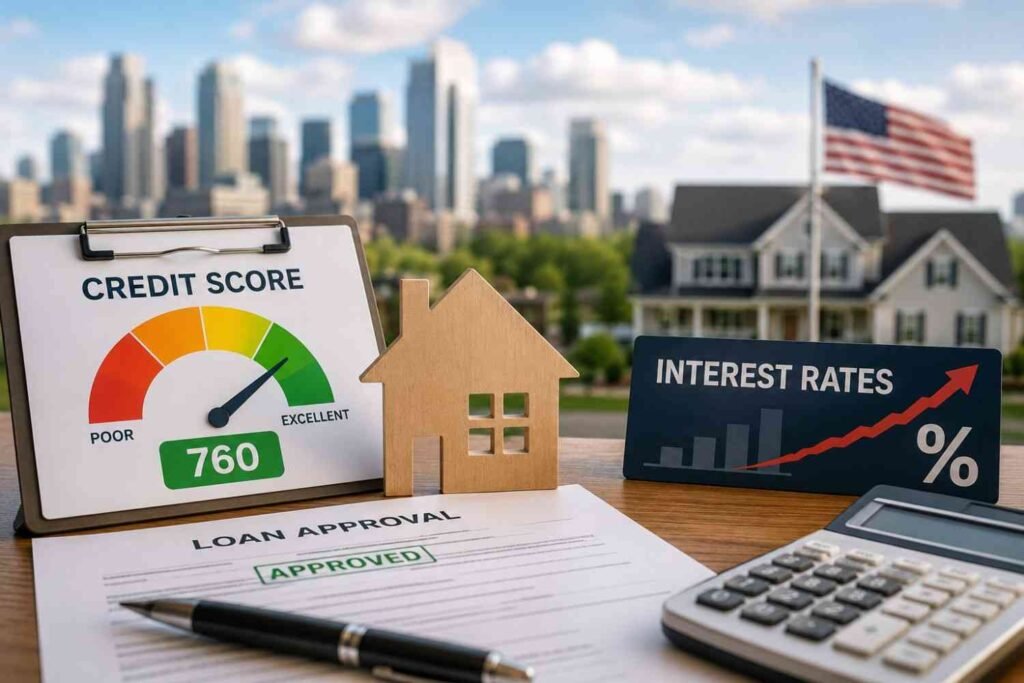

When people think about borrowing money, they often focus on the loan amount they need right now. The interest rate tends to become an afterthought. That is understandable. A few percentage points may not seem like a big deal when you’re comparing offers. In reality, those small numbers can have a lasting effect on your finances for years.
I have seen many borrowers focus entirely on whether a loan gets approved, only to realize later that the repayment cost is much higher than expected. The difference between a competitive rate and a slightly higher one can mean thousands of dollars over the life of a loan. Understanding how interest rates affect borrowing costs before you apply can help you make smarter decisions and avoid unnecessary financial pressure.
What Interest Rates Really Mean For Borrowers
An interest rate is the amount a lender charges for allowing you to borrow money. It is expressed as a percentage of the loan amount and directly influences how much you pay back over time.
The higher the interest rate, the more expensive the loan becomes. A lower rate reduces the overall cost of borrowing and can make repayment significantly easier.
While the loan amount remains important, the interest rate often determines whether a loan feels manageable or burdensome throughout the repayment period.
How Interest Rates Change Monthly Payments
One of the most immediate effects of an interest rate is its impact on your monthly payment.
When rates rise, lenders charge more for the same amount borrowed. This increases the amount due each month and leaves less room in your budget for savings, emergencies, or other financial goals.
For example, two borrowers may take out the same loan amount with identical repayment terms. The borrower who secures the lower rate could save a meaningful amount every month, even though both borrowed the same principal.
This is why rate shopping before submitting an application can be just as important as choosing the right lender.
The Hidden Impact On Total Borrowing Costs

Many borrowers focus on monthly affordability and overlook the bigger picture.
Interest rates determine the total amount paid over the entire life of a loan. Even a modest increase can result in substantially higher costs over several years.
A one-percentage-point difference may appear small at first glance. However, when applied across a long repayment period, the cumulative interest charges can add up quickly.
This is especially important for long-term borrowing, where interest continues accumulating over many years. Looking beyond the monthly payment helps reveal the true cost of the loan.
Why Interest Rates Affect Loan Eligibility
Interest rates not only influence repayment costs. They can also affect whether you qualify for the amount you need.
Lenders evaluate income, existing debt obligations, and overall affordability before approving a loan. Higher rates generally produce higher monthly payments, which can impact debt-to-income calculations.
As a result, some borrowers may find that rising rates reduce the maximum amount they can borrow. In a lower-rate environment, the same borrower may qualify for a larger loan because the projected payments are more affordable.
Understanding this relationship is one of the most important things to know before taking a loan because approval is not determined solely by income.
Fixed Vs Variable Interest Rates
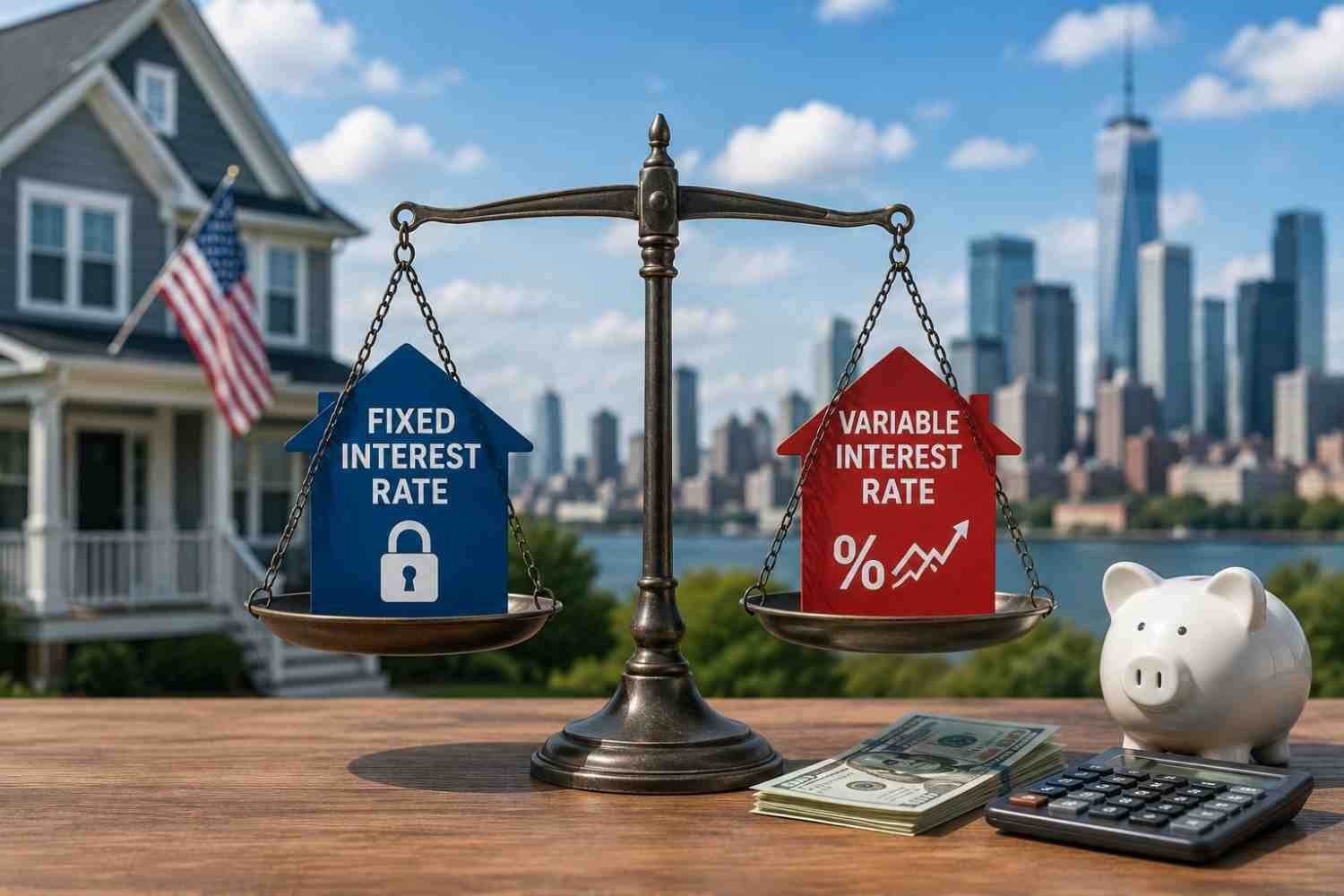
Borrowers are often asked to choose between fixed and variable interest rates.
A fixed rate remains the same throughout the repayment period. This creates predictable monthly payments and helps with long-term budgeting.
A variable rate can move up or down depending on market conditions. While variable rates may start lower, they can become more expensive if broader interest rates increase.
Some borrowers value predictability and choose fixed rates. Others are comfortable accepting some uncertainty in exchange for potential savings. The right choice depends on financial goals, risk tolerance, and expectations about future rate movements.
The Role Of Credit Scores In Borrowing Costs
Your credit profile plays a major role in determining the interest rate you receive.
Lenders use credit history to assess risk. Borrowers with strong credit records are often offered more competitive rates because they are viewed as less likely to miss payments.
Those with weaker credit may face higher borrowing costs, even when applying for the same loan product.
Before applying, it is worth reviewing your credit report, correcting any errors, and improving your score if possible. Small improvements can sometimes lead to better loan offers and meaningful savings over time.
A Simple Pre-Application Checklist

Before submitting a loan application, take a few practical steps:
- Review current market interest rate trends.
- Check your credit profile and credit score.
- Compare multiple lenders instead of accepting the first offer.
- Understand the difference between the interest rate and APR.
- Use loan calculators to estimate repayment costs.
- Compare different loan terms before making a decision.
These steps can help you identify the most affordable option and avoid paying more than necessary.
Looking Beyond The Interest Rate
While interest rates deserve attention, they are not the only factor that determines loan affordability.
Lender fees, repayment flexibility, penalties, and loan terms can also affect total borrowing costs. A loan with a slightly lower rate may not always be the best deal if additional fees significantly increase the overall expense.
Evaluating the complete loan package helps create a more accurate picture of what you will ultimately pay.
FAQs: How Interest Rates Affect Borrowing Costs Before You Apply For A Loan
1. Can A Small Difference In Interest Rates Really Matter?
Yes. Even a difference of 0.5% to 1% can increase or reduce the total amount paid over the life of a loan, particularly on larger balances and longer repayment terms.
2. Why Do Lenders Offer Different Interest Rates?
Lenders assess risk differently. Factors such as credit score, income, debt levels, loan amount, and market conditions influence the rate offered.
3. Is A Fixed Interest Rate Better Than A Variable Rate?
Neither is automatically better. Fixed rates provide stability, while variable rates may offer savings if market rates decline.
4. Should I Compare Multiple Loan Offers Before Applying?
Absolutely. Comparing lenders allows you to evaluate rates, fees, repayment terms, and overall borrowing costs before making a commitment.
Final Thoughts
Interest rates influence far more than a monthly payment. They affect loan eligibility, repayment timelines, total interest costs, and long-term financial flexibility. Borrowers who understand these connections before applying are in a stronger position to choose affordable financing and avoid costly surprises. Taking the time to compare offers, improve credit health, and evaluate repayment scenarios can lead to significant savings over the life of a loan.
A little preparation before applying can have a lasting impact. The more informed your borrowing decision is today, the easier repayment becomes tomorrow.