
Commodities as one of the clearest signals of what may happen next in the economy. When gold rises, oil swings, copper gains strength, or food prices move higher, it often says something about inflation, demand, fear, supply pressure, and investor confidence.
That is why Commodities Market Trends: Gold, Oil, and More matter for anyone trying to understand prices, business costs, savings, and investment decisions before the impact becomes obvious.
Why Commodities Matter in the Economy
Commodities are raw materials that power daily life. Oil affects fuel, transport, manufacturing, and shipping. Gold reflects investor fear, currency concerns, and demand for safe assets. Copper is tied to construction, technology, electric vehicles, and clean energy. Agricultural commodities influence grocery prices, restaurant costs, and food inflation.
Unlike many financial assets, commodities are connected directly to supply and demand. A drought can affect grain prices. A conflict can lift oil prices. A stronger dollar can pressure metals. A weaker economy can reduce demand for industrial commodities. This makes commodity markets useful for understanding what may happen across inflation, stocks, interest rates, and consumer spending.
What Is Driving Commodity Prices Right Now?
Several forces usually shape commodity prices at the same time. Inflation is one of the biggest. When prices rise across the economy, investors often watch commodities because raw materials can reflect rising production costs. Interest rates also matter because higher rates can strengthen the dollar and make untradable assets like gold less attractive at times.
Global demand is another major factor. When factories, builders, and consumers need more energy and materials, prices can rise. When demand slows, oil, copper, and other industrial commodities may weaken. Supply disruptions can create sudden price spikes, especially when production depends on specific regions, shipping routes, mines, refineries, or weather conditions.
Gold Market Trends and Safe-Haven Demand
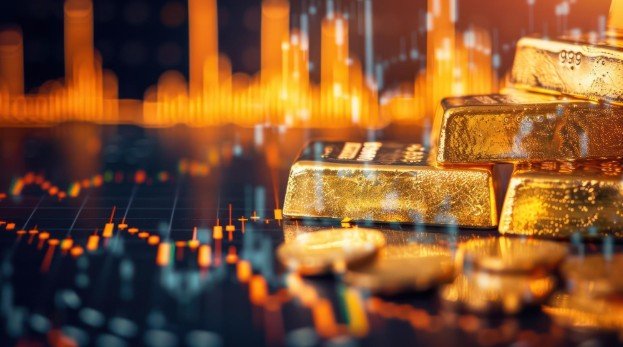
Gold is often watched during uncertain periods because many investors treat it as a store of value. When inflation fears rise, currencies weaken, or markets become unstable, gold can attract attention. Central bank buying, investor demand, jewelry demand, and interest rate expectations can all influence gold prices.
Gold does not move like oil or copper because it is not mainly consumed for industrial production. Its price often reflects confidence, fear, and expectations about money. When investors worry about economic shocks, debt levels, currency weakness, or market volatility, gold may become more attractive.
Oil Market Trends and Inflation Pressure
Oil is one of the most important commodities because it touches almost every part of the economy. Crude oil affects gasoline, diesel, jet fuel, plastics, shipping, and business operating costs. When oil prices rise quickly, inflation pressure can spread through transportation, goods, travel, and household budgets.
Oil prices are shaped by supply decisions, global demand, inventories, refinery capacity, geopolitical tension, and expectations for economic growth. If producers cut supply or a major supply route faces risk, prices can rise even when demand is not especially strong. If demand weakens because consumers and businesses slow spending, oil prices can fall.
Investors also watch oil because it affects different sectors in different ways. Energy companies may benefit from higher prices, while airlines, logistics companies, manufacturers, and consumer-focused businesses may face higher costs.
Silver, Copper, and Industrial Metals
Silver has a unique role because it behaves partly like a precious metal and partly like an industrial metal. It can attract investors during uncertain periods, but it is also used in solar panels, electronics, batteries, and other technologies. This mix can make silver more volatile than gold.
Copper is often called an economic signal because it is used in construction, wiring, power grids, vehicles, and industrial production. When copper demand rises, it may suggest stronger growth expectations. When copper weakens, investors may worry about slowing construction, manufacturing, or global demand.
Industrial metals are also connected to long-term themes such as electrification, artificial intelligence infrastructure, renewable energy, and battery production. These trends can support demand, but prices can still swing when supply improves or economic growth slows.
Energy Beyond Oil: Natural Gas and Fuel Markets

Natural gas is another important energy commodity. It is used for heating, electricity, industry, and chemical production. Its price can move sharply because of weather, storage levels, export demand, pipeline limits, and seasonal consumption.
Cold winters, hot summers, and lower storage can push prices higher. Mild weather or strong production can pressure prices lower. For households and businesses, natural gas trends can affect utility bills, manufacturing costs, and electricity prices.
Fuel markets also matter because crude oil prices do not always move perfectly with gasoline or diesel prices. Refining capacity, seasonal driving demand, taxes, and local supply conditions can all affect what consumers pay.
Agriculture and Food Commodity Trends
Agricultural commodities are closely tied to weather, crop yields, fertilizer costs, fuel prices, trade policies, and global demand. Corn, wheat, soybeans, sugar, coffee, and livestock markets can influence grocery bills and food company margins.
Food commodity trends are especially important because consumers feel them quickly. Higher grain prices can affect bread, cereal, animal feed, meat, and packaged foods. Higher energy prices can also raise farming, storage, and transportation expenses. For investors and business owners, agriculture trends can reveal inflation pressure before it appears fully in everyday prices.
How Commodity Trends Affect Investors
Commodities Market Trends: Gold, Oil, and More can affect portfolios in several ways. Higher oil prices may support energy stocks but pressure transportation and retail businesses. Rising gold may show that investors are looking for safety. Strong copper may point to confidence in infrastructure, construction, and industrial demand.
Commodities can also influence bond markets and interest rate expectations. If commodity prices push inflation higher, central banks may keep policy tighter for longer. If commodity prices fall because demand is weakening, markets may start worrying about slower growth.
That is why investors should not look at one commodity alone. The smarter approach is to compare gold, oil, copper, natural gas, and agriculture together to understand whether markets are pricing inflation, fear, growth, or slowdown.
Frequently Asked Questions
1. What are Commodities Market Trends: Gold, Oil, and More?
Commodities Market Trends: Gold, Oil, and More describe how major raw materials move based on inflation, supply, demand, currency changes, geopolitical risk, and investor behavior.
2. Why do gold prices rise during uncertainty?
Gold often rises during uncertainty because investors may look for assets that can hold value when currencies, stocks, or economic expectations feel unstable.
3. How do oil prices affect everyday costs?
Oil prices affect fuel, shipping, travel, manufacturing, plastics, and business costs. When oil rises, those costs can move through the economy.
4. Is copper a sign of economic growth?
Copper is often linked to growth because it is used in construction, electrical systems, vehicles, factories, and technology infrastructure.
Final Thoughts
I believe commodities are worth watching because they often tell the economy’s story before headlines make it obvious. Gold can show fear, oil can reveal inflation pressure, copper can reflect growth expectations, and agriculture can warn about food cost changes. When these signals are read together, they give a clearer view of risk and opportunity.
The best way to use commodity trends is not to react emotionally to every price move. It is to understand what each move may be saying about supply, demand, inflation, and confidence. For investors, business owners, and everyday readers, that awareness can lead to smarter money decisions.