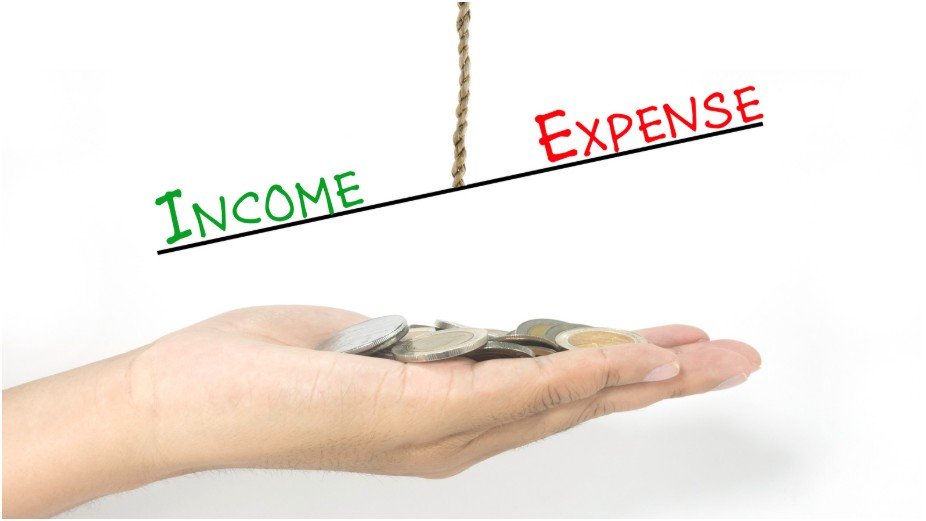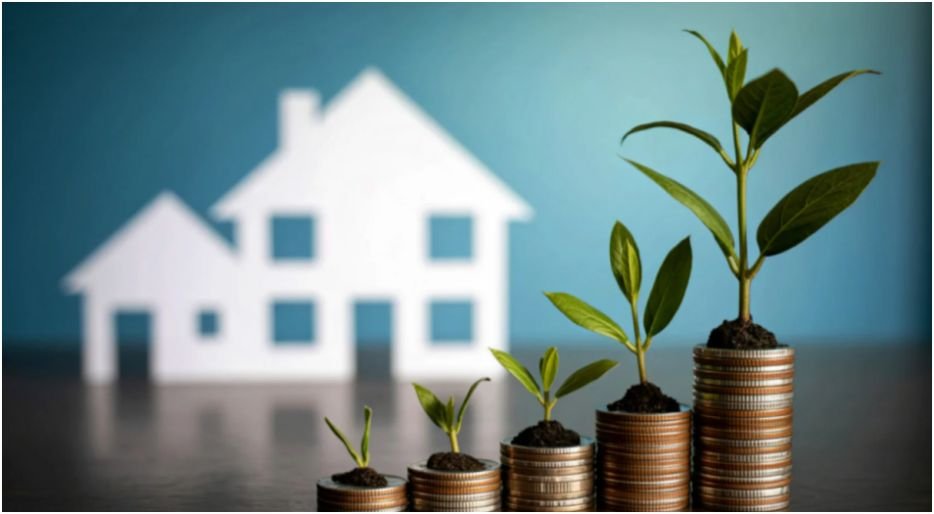

Living below your means does not mean living like every dollar is a punishment. I see it as giving every dollar a job before impulse, stress, or lifestyle pressure grabs it first. If you want to know how to live below your means, start by spending less than your take-home income and using the gap to save, pay debt, and build freedom.
The mistake many people make is treating this as a restriction plan. I treat it as a control plan. When I widen the space between income and spending, I get options. I can handle bills, avoid panic borrowing, pay off debt faster, and invest without waiting for a perfect salary.
Why Living Below Your Means Starts With a Cash-Flow Gap
The real goal is not just cutting expenses. The goal is creating a monthly cash-flow gap.
That gap is the money left after your necessary bills, planned spending, savings, and debt payments. A $300 gap can become an emergency fund. A $700 gap can erase credit card debt faster. A $1,000 gap can build savings, reduce stress, and fund investments.
I do not measure success by how cheap my life looks. I measure it by how much money I keep after living a normal, stable life.
Calculate Your Real Take-Home Income First

Your budget should start with net income, not gross salary. Gross salary looks nice on paper, but it does not pay your rent. Use the exact amount that lands in your bank account after taxes, insurance, retirement contributions, and benefits.
If your take-home pay is $4,500 per month and your lifestyle costs $4,450, you are not financially comfortable. You are one car repair away from borrowing money.
A better target is to build a gap of at least 10% to 20% of take-home income. On $4,500 per month, that means keeping $450 to $900 available for savings, debt payoff, or investing.
Review Three to Six Months of Spending
I like to review the last three to six months of bank and credit card statements. One month can lie. Three months shows patterns. Six months exposes habits.
Look for subscriptions, delivery orders, bank fees, impulse shopping, unused memberships, and random “small” expenses. Small expenses are not always the enemy, but repeated expenses can quietly drain your budget.
The fastest question to ask is simple: “Would I choose this again if I had to pay cash for it today?”
Cut the Big Three Without Wrecking Your Life

Most budgets fail because people obsess over coffee while ignoring the biggest costs. The big three are housing, transportation, and food. These categories usually control the budget.
Housing
Housing is often the largest fixed expense. If rent or mortgage payments eat too much income, every other financial goal becomes harder.
Living below your means may mean choosing a smaller apartment, getting a roommate, moving to a less expensive neighborhood, or avoiding a home upgrade you can technically afford.
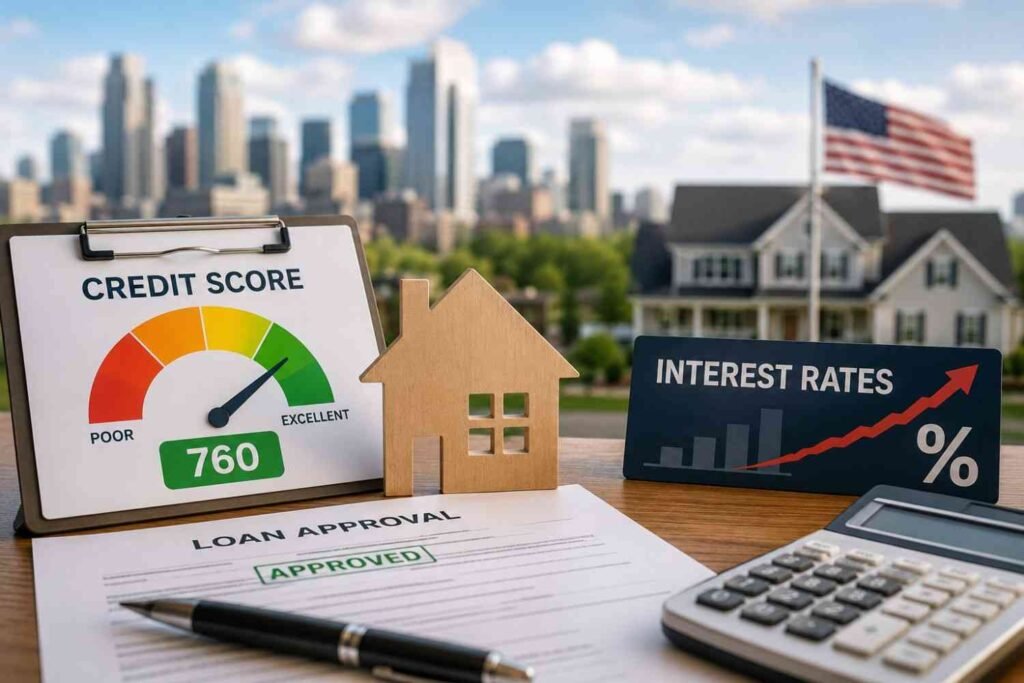
The best housing payment is not the biggest one a lender approves. It is the one that leaves room for savings, emergencies, and real life.
Transportation
A large car payment can trap your income for years. I prefer reliable transportation over impressive transportation.
A used vehicle, public transit, biking, or keeping a paid-off car longer can free hundreds of dollars every month. If your car payment, insurance, gas, and maintenance are squeezing your budget, transportation deserves a serious review.
Food
Food spending is where convenience often wins. Delivery fees, daily takeout, and unplanned grocery runs can destroy a budget without feeling dramatic.
Weekly meal planning helps because it removes daily decision fatigue. I do not need a perfect meal plan. I only need enough planned meals to stop expensive last-minute choices. A grocery list also makes overspending harder.
Use the Extra Gap for Debt-Payoff Goals
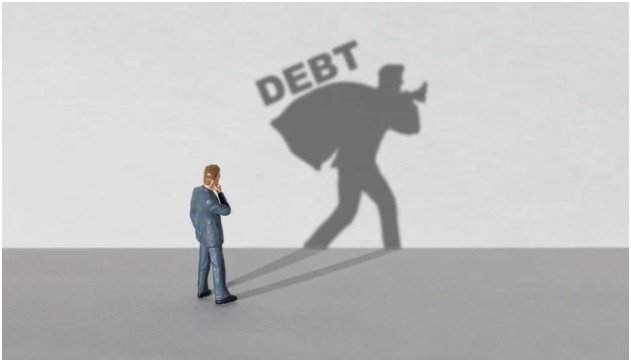
Once you create a monthly gap, send part of it toward debt. Debt payoff works best when it has a clear strategy, not random extra payments.
Debt Avalanche vs Debt Snowball
The debt avalanche method means paying minimums on all debts and putting extra cash toward the debt with the highest interest rate. This saves the most money mathematically.
The debt snowball method means paying minimums on all debts and attacking the smallest balance first. This creates quick wins and builds momentum.
I prefer the avalanche method for expensive credit card debt. But if motivation is the real problem, the snowball method may keep you consistent. The best debt-payoff plan is the one you will actually follow.
Debt Payoff Tracker Example
Here is a simple tracker format:
Debt Name: Credit Card A
Total Balance: $3,500
Interest Rate: 24.9% APR
Minimum Payment: $105
Debt Name: Personal Loan
Total Balance: $7,000
Interest Rate: 11.5% APR
Minimum Payment: $210
Debt Name: Student Loan
Total Balance: $15,000
Interest Rate: 5.8% APR
Minimum Payment: $165
Debt Name: Car Loan
Total Balance: $12,000
Interest Rate: 4.5% APR
Minimum Payment: $250
In this example, the avalanche method targets Credit Card A first because the 24.9% APR is the most expensive. The snowball method also starts with Credit Card A because it has the smallest balance. That makes the first move easy.
I would also build a starter emergency fund of $1,000 to $1,500 before aggressive payoff. Then I would send windfalls, such as a $500 tax refund or $100 work bonus, to the priority debt within 24 hours.
If your credit score is above 690, a 0% APR balance transfer may help. It only works if you stop adding new debt. Otherwise, consolidation becomes a delay tactic.
How to Prepare for Financial Emergencies While Spending Less
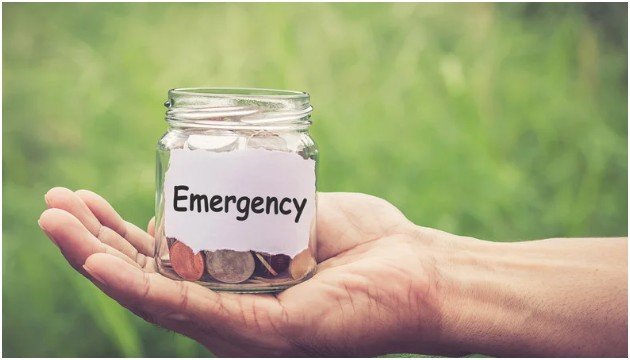
Knowing to prepare for financial emergencies is part of living below your means. An emergency fund protects your debt-payoff plan and stops surprise costs from becoming credit card balances.
Build a Starter Fund First
Before making aggressive extra debt payments, save $1,000 to $1,500 in a separate savings account. This is not your full safety net. It is a financial shock absorber.
Use it only for real emergencies, such as urgent car repairs, medical bills, or essential home repairs. Do not use it for vacations, gifts, or planned expenses.
Grow Your Emergency Fund
After high-interest debt is under control, grow your emergency fund to $3,000 to $5,000 or three to six months of living expenses. The right target depends on your job stability, family size, health costs, and monthly bills.
This fund should be easy to access but not too easy to spend. A high-yield savings account works well because it keeps the money separate from daily checking.
Use Digital Apps to Maximize Savings
Digital tools make saving easier because they remove constant decision-making. I like automation because discipline is not always reliable after a long day.
Budgeting Apps
YNAB works well for aggressive savers because it forces every dollar to have a job. Monarch Money and Simplifi are useful for hands-off tracking because they categorize spending and show account activity.
Empower works well for long-term goals because it tracks investments, retirement progress, and net worth.
The app matters less than the habit. Pick one system and check it weekly.
Savings Buckets
Do not keep every dollar in one savings pile. Use savings buckets for specific goals.
Your emergency fund can hold $3,000 to $5,000. A car insurance sinking fund can hold $100 per month for a $1,200 annual bill. A holiday travel fund can grow slowly all year instead of creating December panic.
A wealth fund should hold money meant for long-term investing. Once emergency savings are stable, extra cash can move into low-cost index funds through platforms like Vanguard, Fidelity, or Betterment.
Micro-Savings Automation
Round-up tools can move spare change into savings or investments. Payday transfers are even stronger. Set your banking app to move money into savings one day after direct deposit hits.
Apps like Chime or Digit-style smart-saving tools can also analyze spending and move small amounts automatically. I still prefer fixed payday transfers because they are predictable.
Stop Impulse Spending Before It Starts
Impulse spending is easier to prevent than reverse.
Use a 24- to 48-hour waiting rule for non-essential purchases. Remove saved cards from shopping apps. Unsubscribe from retailer emails. Keep a grocery list. Cancel unused streaming, gym, software, and subscription services.
The goal is not to remove all fun. The goal is to make thoughtless spending inconvenient.
Keep Lifestyle Creep Out of Your Wallet
Raises, bonuses, and side-hustle income can help or hurt you. If every income increase turns into a bigger lifestyle, your financial gap never grows.
When extra money arrives, decide where it goes before it hits your checking account. Send part to debt, part to savings, and part to investing. Keep a small portion for enjoyment, but do not let every raise become a new bill.
This is where living below your means becomes powerful. You do not need to earn forever and wonder where the money went. You build a system that captures progress automatically.
FAQs
1. What is the easiest way to start living below your means?
Start by tracking take-home income, cutting one recurring cost, and automating one savings transfer every payday.
2. How much should I save each month?
Aim for 10% to 20% of take-home income, but start with any amount you can repeat consistently.
3. How to prepare for financial emergencies on a tight budget?
Save $1,000 to $1,500 first, then build toward $3,000 to $5,000 or three to six months of expenses.
4. Is living below your means the same as being cheap?
No. It means spending intentionally, avoiding waste, and keeping enough money to protect your future.
Final Take: Your Wallet Deserves Better Drama
I do not see living below my means as cutting joy from life. I see it as cutting financial chaos. When I know my income, shrink waste, control debt, automate savings, and protect emergency money, I stop reacting to every surprise like it is a crisis.
Start with one move today. Review your last 30 days of spending and find one expense to cancel, reduce, or redirect. Then send that money to savings or debt before it disappears into another forgettable purchase.