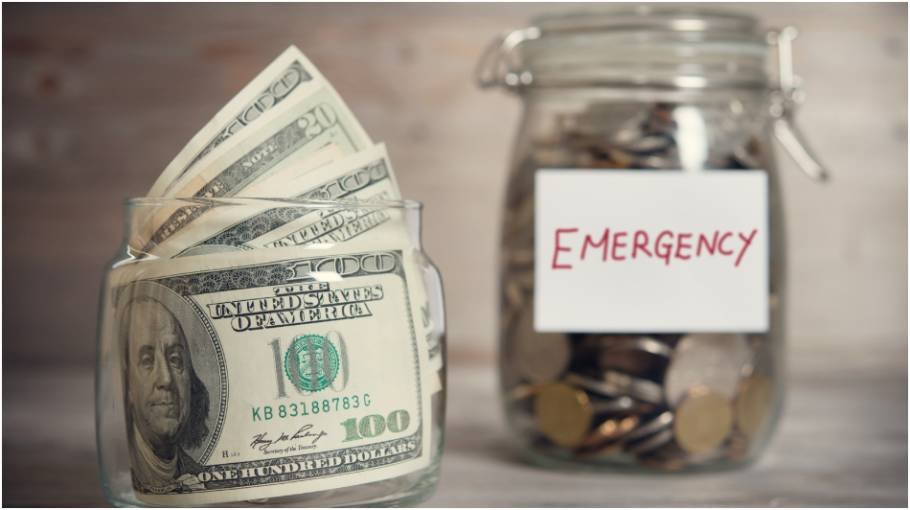
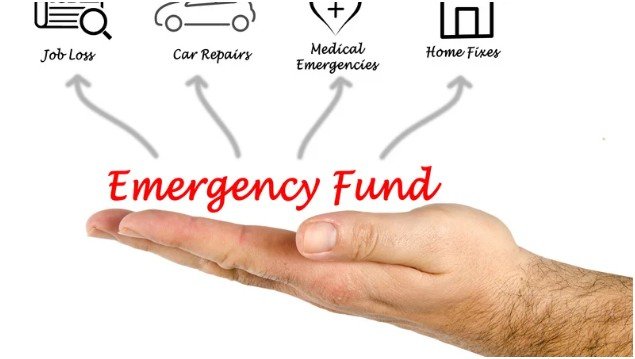
A financial emergency does not ask whether your budget is ready. It shows up as a job loss, medical bill, car repair, home damage, or family crisis and expects cash fast. I learned that real preparation is not about fear. It is about giving yourself options before panic starts making decisions.
If you want to know how to prepare for financial emergencies, start with four pillars: liquid savings, proper insurance, low high-interest debt, and organized documents. Those four moves can keep one bad week from turning into years of debt.
Why Financial Emergencies Need a Real Plan
Most people think an emergency fund is only for job loss. That is too narrow. A financial emergency can be a broken furnace, hospital deductible, delayed paycheck, insurance claim gap, funeral expense, or sudden travel need.
The problem is not always the cost itself. The real danger is timing. If you need money before your next paycheck, before an insurance claim pays, or before a replacement job appears, you need liquid cash. Credit cards can help in the short term, but they can also turn one emergency into a monthly payment trap.
My rule is simple: prepare for the emergency you hope never happens, not the one you think is convenient.
Build a Liquid Emergency Fund First
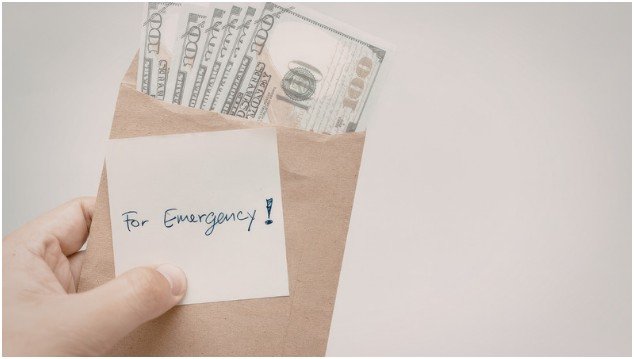
An emergency fund should be boring, safe, and easy to access as one of the best saving tips for middle class families. This is not investment money. It should not depend on the stock market, crypto prices, or selling assets under pressure.
Start With Essential Expenses
Calculate only the expenses needed to keep your household running. Include rent or mortgage, groceries, utilities, insurance, minimum debt payments, transportation, childcare, and required medications.
Do not include vacations, streaming subscriptions, dining out, upgrades, or shopping. Those belong in your normal lifestyle budget, not your survival number.
A common target is three to six months of essential expenses. I prefer adjusting that range based on household risk. A stable dual-income household may need less. A single-income household may need much more.
Use a High-Yield Savings Account
Keep emergency savings in a high-yield savings account, money market deposit account, or another safe liquid account. The goal is not maximum return. The goal is fast access without market risk.
I avoid locking my full emergency fund into long-term CDs because emergencies do not follow maturity dates. A small CD ladder can work after the core fund is built, but the first layer should stay liquid.
Keep a Small Cash Reserve at Home
Digital access is useful until power, internet, or ATMs stop working. I like keeping a small amount of physical cash at home for short disruptions. It should be enough for food, fuel, or urgent supplies, but not so much that theft becomes a bigger risk.
Store it securely with copies of key documents, emergency contacts, and insurance details.
Single-Income vs Dual-Income Emergency Fund Rules
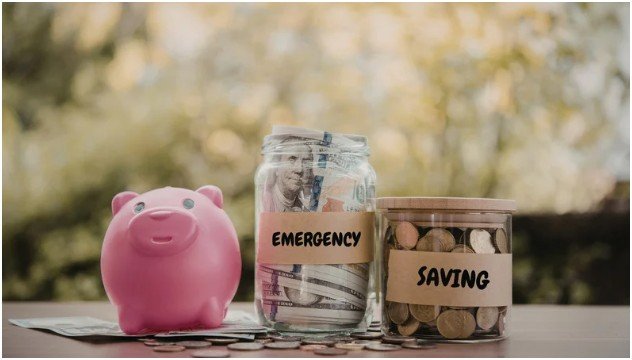
This is where most generic advice falls short. A household with one income and a household with two incomes do not carry the same risk.
Single-Income Household Safety Net
A single-income household should aim for six to twelve months of essential expenses. When one person supports the household, one job loss or disability can stop the entire income stream.
For example, assume essential expenses are $3,000 per month. A six-month emergency fund would be $18,000. If the household can save $500 per month, the timeline looks like this:
$18,000 ÷ $500 = 36 months
That may sound slow, but the timeline becomes less intimidating when you build in stages. Start with $500. Then reach $1,000. Then aim for one month of expenses. After that, keep going until you hit the six-month mark.
Single-income households should also prioritize long-term disability insurance and term life insurance. Your ability to earn is the household’s most valuable financial asset.
Dual-Income Household Safety Net
A dual-income household usually has more flexibility because one income may continue if the other stops. A three-to-six-month emergency fund can work if both earners have stable jobs in different industries.
For example, assume combined essential expenses are $4,500 per month. A four-month emergency fund would be $18,000. If both earners can save $1,000 per month together, the timeline becomes:
$18,000 ÷ $1,000 = 18 months
That is the advantage of two incomes. But there is one major trap. Do not build fixed expenses around both incomes if one income could not cover the basics. A large mortgage, two car loans, and high childcare costs can make a dual-income household fragile.
I prefer building the essential budget around the stronger income where possible. The second income can then support savings, investing, debt payoff, and lifestyle upgrades.
Protect Your Household With the Right Insurance

Savings are your first shield. Insurance is your second.
Health insurance matters because medical bills can drain savings quickly. Renters or homeowners insurance protects your property and liability exposure. Auto insurance protects against accident-related costs. Life insurance helps dependents if an income earner dies. Disability insurance protects income if illness or injury prevents work.
Also review regional risks. Standard homeowners and renters policies often exclude flood damage. Earthquake coverage may also require a separate policy or endorsement. If you live in a high-risk area, do not assume your basic policy covers everything.
I review insurance once a year. I compare deductibles, premiums, coverage gaps, and emergency risks. The cheapest policy is not always the safest one.
Reduce Debt Before It Becomes a Crisis
High-interest debt makes emergencies more expensive. A $1,000 repair is bad. A $1,000 repair carried on a high-interest credit card for months is worse.
Focus first on credit cards, payday loans, personal loans with high rates, and other expensive balances. Reducing these payments gives you more breathing room each month.
A healthy credit score also helps during a crisis. It can give access to lower-cost credit if cash runs short. Still, credit should be a backup tool, not the main emergency plan.
Organize Your Financial Emergency Kit
A financial emergency kit saves time when stress is high. I keep both digital and physical copies of key documents.
Include photo IDs, Social Security cards, birth certificates, insurance policies, bank details, mortgage or lease papers, tax records, car titles, medical contacts, and passwords stored through a secure password manager.
Also include instructions for bill payments. In a couple or family, one person should never be the only person who knows how to access accounts, file claims, or pay essential bills.
Use cloud storage, an encrypted drive, and a fireproof document folder if possible. Preparation is not just about having money. It is about knowing where everything is when life gets messy.
Use a Bare-Bones Budget Before Trouble Hits
A bare-bones budget is your crisis version of normal spending. It shows what gets cut first if income drops.
I divide expenses into three groups: must pay, pause immediately, and cancel if the crisis lasts. Must-pay items include housing, food, utilities, transportation, insurance, and minimum debt payments. Pause items include dining out, subscriptions, shopping, travel, and non-urgent upgrades.
This removes guesswork. When a crisis happens, you do not need a family debate over every expense. You already have the plan.
FAQs
1. How much money should I save for financial emergencies?
Save three to six months of essential expenses, or six to twelve months if you rely on one income.
2. Where should I keep my emergency fund?
Keep it in a safe, liquid account such as a high-yield savings account or insured savings account.
3. Should I pay debt or build emergency savings first?
Build a small starter fund first, then attack high-interest debt while growing your full emergency fund.
4. How to prepare for financial emergencies with low income?
Start with $500, automate small deposits, cut non-essentials, and build one month of expenses first.
Final Take: Your Future Self Wants Receipts
I do not see emergency planning as pessimistic. I see it as financial self-respect. Cash gives you time. Insurance gives you protection. Low debt gives you flexibility. Organized documents give you control when stress is high.
Start with one move this week. Open a separate savings account, save your first $100, review one insurance policy, or create your emergency document folder. Small steps count when they happen before the crisis.