
When I first learned how to build an emergency fund, I made one mistake: I treated it like extra money instead of protection. That changed when I realized one surprise car repair, medical bill, or job gap could wreck months of progress.
An emergency fund is not a luxury account. It is a cash cushion built for unplanned, necessary, and urgent expenses. That usually means job loss, medical costs, home repairs, car repairs, insurance deductibles, or a temporary income drop.
Why I Treat Emergency Savings Like Financial Insurance
I think of an emergency fund as self-funded insurance. It protects my rent, groceries, utilities, minimum debt payments, and basic transportation when life gets messy.
The real value is not just the cash. It is what the cash prevents. Without emergency savings, one problem can become credit card debt, missed payments, late fees, retirement withdrawals, or a personal loan with painful interest.
That is why I do not build this fund from leftover money. Leftover money disappears. I build it with a system.
Step 1: Calculate Your Real Emergency Fund Number
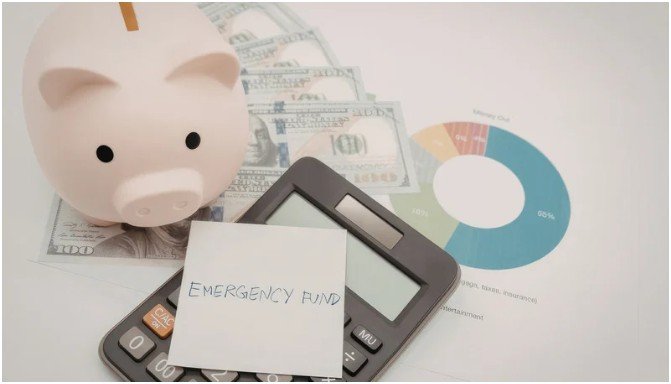
The best emergency fund is based on essential expenses, not total lifestyle spending. I do not include brunch, shopping, subscriptions, vacations, or random Amazon orders.
What Counts as Essential Spending
Start with the bills you must pay to stay housed, fed, insured, employed, and current on debt. For most people, this includes rent or mortgage, groceries, utilities, gas or transit, insurance premiums, prescriptions, childcare, phone service, and minimum debt payments.
If your essential monthly expenses are $3,200, then your emergency fund target may look like this:
One month: $3,200
Three months: $9,600
Six months: $19,200
Nine months: $28,800
This is my favorite worked example because it shows why “save more money” is too vague. A real number gives your plan a finish line.
How Many Months Should You Save?
A stable salaried employee with no dependents may start with three months of essential expenses. A sole earner, parent, homeowner, or worker in a layoff-prone industry should aim closer to six months.
Freelancers, contractors, commission-based workers, small business owners, and people with irregular income may need nine to twelve months. Their income can pause without warning, so their fund needs more breathing room.
The point is not to copy someone else’s number. The point is to match your savings target to your real risk.
Step 2: Start With a Small First Milestone
A full six-month fund can feel impossible at first. I prefer a two-stage approach.
First, build a starter fund of $1,000. That amount will not solve every emergency, but it can handle many urgent problems without a credit card panic.
After that, move toward one month of essential expenses. Once you reach one month, three months feels realistic. Once you reach three months, six months becomes a steady project, not a fantasy.
This method works because progress creates confidence. Confidence keeps you consistent.
Step 3: Put the Money Where You Can Reach It
An emergency fund should be safe, liquid, and separate. It should not chase risky returns.
Best Account Options for US Savers
For most US savers, a high-yield savings account is the cleanest option. It keeps money accessible while earning more interest than many traditional savings accounts.
A money market account can also work if it has no monthly fees, easy transfers, and federal deposit insurance. Treasury bills may fit the backup layer for advanced savers, but they are not ideal for the first month of emergency cash because instant access matters.
My preferred setup is simple. Keep one month of expenses in a high-yield savings account with fast transfer access. Keep the rest in the same account or another insured account that is separate from daily spending.
That separation matters. If your emergency money sits next to your checking balance, it starts looking spendable.
Where Not to Keep Emergency Savings
I would not keep emergency savings in stocks, crypto, long-term CDs with penalties, or retirement accounts.
Stocks can fall right when you need cash. Crypto is too volatile. Retirement withdrawals can create taxes, penalties, and long-term damage. A locked CD may pay interest, but it can slow you down when the emergency is happening now.
The job of this money is not to make you rich. Its job is to stop a crisis from becoming debt.
Step 4: Automate Your Fund After Payday

Automation is the difference between hoping and building. If you have a steady salary, your paycheck date gives you an advantage.
Set an automatic transfer for one or two days after payday. That short delay helps avoid weekend, holiday, or payroll timing issues.
Treat the transfer like rent. If your target is $9,600 and you want to build it over 24 months, you need $400 per month. If that feels tight, start with $100 or $150. The first goal is to build the habit.
I like naming the account something direct, such as “Emergency Only” or “Job Loss Fund.” A clear name makes impulse spending feel less harmless.
Step 5: Speed It Up Without Feeling Deprived
Building an emergency fund does not have to mean cutting every joy from your life. I prefer redirecting money that is already irregular, hidden, or wasted.
Send tax refunds, work bonuses, cash gifts, cash-back rewards, and side income straight into the fund. Because that money was not part of your regular monthly budget, you will miss it less.
Next, audit subscriptions. Cancel apps, memberships, delivery passes, software tools, and streaming services you rarely use. Then transfer that exact amount into savings each month.
This is where the internal money behavior work matters. If spending leaks keep slowing you down, you should stop overspending and fix the habits behind the numbers.
Another strong move is the debt-payment rollover. When you finish paying off a credit card, personal loan, or car loan, do not absorb the old payment into lifestyle spending. Redirect it into your emergency fund until your target is complete.
Step 6: Protect the Fund With Clear Rules
A weak emergency fund has no rules. A strong one has boundaries.
I use three questions before touching mine. Is this expense unplanned? Is it necessary? Is it urgent?
A broken furnace in winter qualifies. A surprise medical bill qualifies. A job loss qualifies. A vacation deal, holiday shopping, new phone, or concert ticket does not.
This matters because the fund will grow large over time. A $12,000 balance can tempt anyone. Rules protect the money from emotional decisions.
If you must use it, use it without guilt. That is why it exists. But once the emergency passes, rebuilding becomes the priority.
Step 7: Refill and Review It Every Year
Your emergency fund is not a one-time project. Rent rises. Grocery costs change. Insurance premiums move. Families grow. Cars age.
Review your essential expenses once a year. If your monthly essentials increased from $3,200 to $3,600, your six-month target moved from $19,200 to $21,600.
After using the fund, pause non-essential upgrades and extra investing until the balance is restored. I would not stop employer retirement contributions that receive a match, but I would slow optional investing until the safety net is rebuilt.
That is not fear-based money management. That is smart sequencing.
FAQs About Building an Emergency Fund
1. How much money should I save in an emergency fund?
Most people should start with $1,000, then build toward three to six months of essential living expenses.
2. How do I build an emergency fund fast?
Automate payday transfers, save windfalls, cancel unused subscriptions, and redirect old debt payments into savings.
3. Where should I keep my emergency fund?
Keep it in a federally insured high-yield savings account or money market account with easy access and no risky investments.
4. Can I invest my emergency fund?
No, not the core fund. Emergency money should stay safe, liquid, and stable, not exposed to market losses.
Your Future Self Deserves This Flex
I do not see emergency savings as boring. I see it as quiet power. It gives you options when life gets expensive, stressful, or unpredictable.
The simplest way to start is to open a separate savings account and automate one transfer after your next paycheck. Start small if needed. Just start. Your future self will love the drama-free version of you.