
Not long ago, borrowing money was a deliberate process. You visited a bank branch, filled out paperwork, waited for approval, and often spent days thinking about whether taking on debt was the right move. That waiting period acted as a natural pause, giving people time to evaluate their financial decisions before committing to a loan.
Today, the experience looks very different. A few taps on a smartphone can unlock instant credit within minutes. Digital lending platforms, Buy Now, Pay Later services, and online loan applications have transformed borrowing into something that feels almost effortless. While this convenience has improved access to consumer credit, it has also changed financial borrowing habits in ways many people do not immediately recognize.
How Financial Borrowing Habits Have Changed
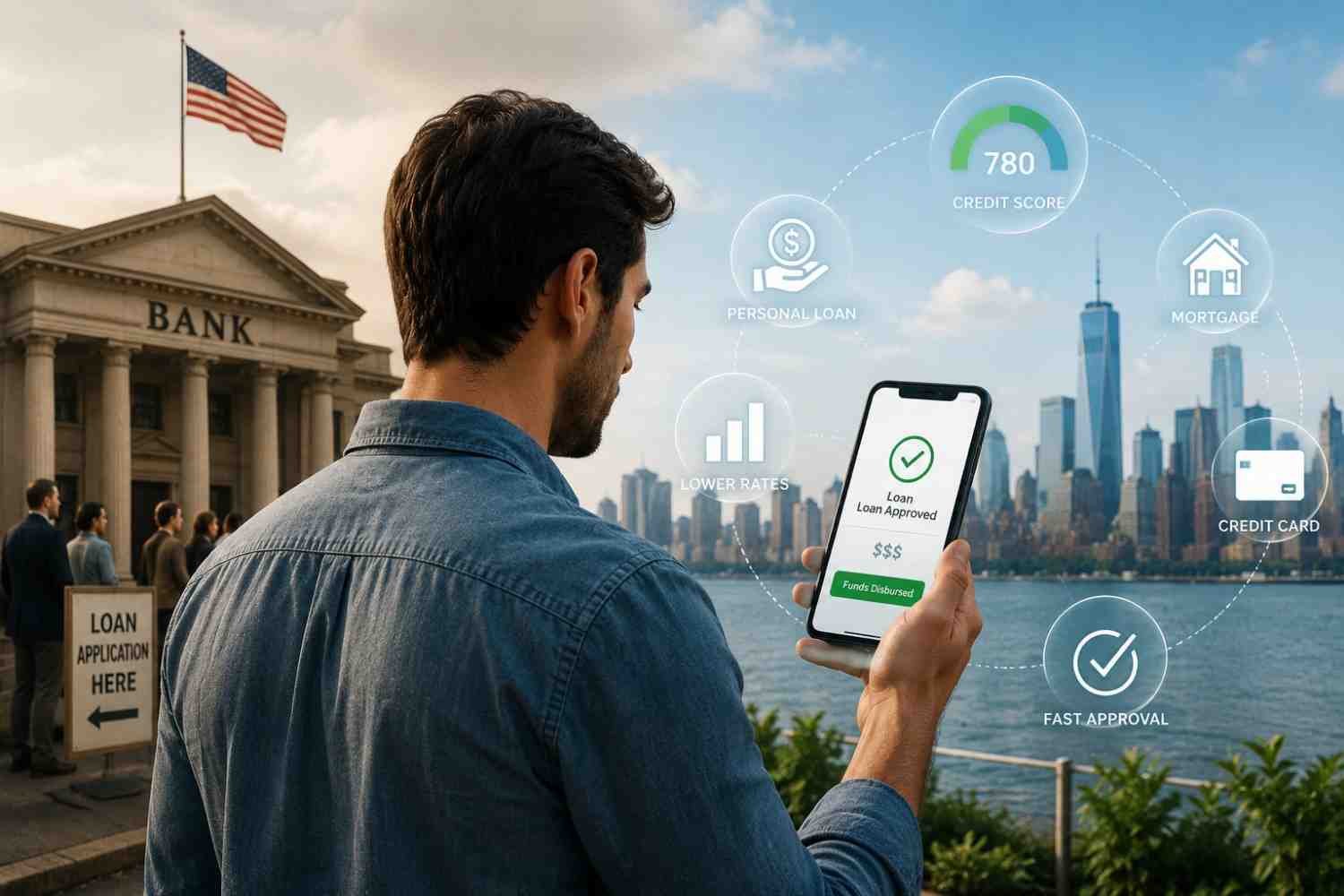
The biggest shift in borrowing behavior is the removal of friction. Traditional lending required time, documentation, and patience. Modern digital lending platforms are designed for speed and convenience.
Consumers can now compare offers, complete applications, and receive funds without leaving their homes. As a result, borrowing is no longer viewed only as a solution for major expenses or emergencies. Many people now use credit as a routine financial tool.
This change has created a new relationship with debt. Instead of planning purchases months in advance, consumers often rely on instant credit to bridge short-term financial gaps or spread costs across manageable payments.
Why Instant Credit Feels Different
The appeal of instant credit extends beyond convenience. It changes how people think about spending.
One reason is the rise of alternative data in credit risk assessment. Many lending platforms evaluate factors beyond traditional credit scores, making credit access available to a wider group of borrowers.
Another factor is the integration of financing options into everyday transactions. Consumers shopping online frequently encounter Buy Now, Pay Later options directly at checkout. Instead of seeing a large upfront payment, they see smaller monthly installments.
This subtle shift affects decision-making. When attention moves from total cost to monthly affordability, borrowing decisions can feel easier and less significant.
The New Financial Borrowing Habits Shaping Consumer Behavior

Modern borrowing trends reveal several behaviors that were far less common a decade ago.
Micro-Borrowing for Everyday Needs
Many consumers are no longer borrowing large amounts for major purchases alone. Instead, they use small digital loans for routine expenses, unexpected bills, or short-term cash flow needs.
This approach can provide flexibility, but repeated borrowing for everyday spending may indicate a lack of financial planning.
Debt Across Multiple Platforms
One emerging challenge is debt stacking. Consumers may manage several small loans across different lending apps at the same time.
While each loan appears manageable individually, the combined repayment burden can become difficult to track. This is especially true when repayment schedules vary across platforms.
Viewing Credit as a Financial Tool
For many borrowers, credit is becoming part of everyday financial management rather than a last resort.
People increasingly use financing options to preserve cash flow, take advantage of promotional offers, or manage larger purchases without draining savings. In this environment, understanding loan approval requirements becomes increasingly important because borrowers often compare multiple credit products before making a decision.
The Psychology Behind Instant Credit
Technology has not only changed how people borrow. It has changed how they think about borrowing.
Traditional lending naturally included a cooling-off period. The time between application and approval encouraged reflection. Instant credit largely removes that pause.
When credit is available immediately, consumers may make decisions based on convenience rather than necessity. The ease of accessing funds can reduce the perceived seriousness of taking on debt.
A common example is mental accounting. Instead of focusing on the full price of a purchase, consumers focus on monthly payments. A product that costs hundreds of dollars may appear more affordable when presented as several small installments.
This does not automatically lead to poor decisions, but it can increase the likelihood of impulse spending when financial discipline is lacking.
Risks That Come With Easy Access to Credit

While digital loans and flexible repayment options provide benefits, they also introduce risks that borrowers should understand.
Some of the most common challenges include:
- High processing fees and service charges
- Late payment penalties
- Multiple overlapping repayment obligations
- Increased credit utilization
- Potential credit score impact from missed payments
These issues often develop gradually. A borrower may feel comfortable managing one loan but struggle after adding several additional obligations over time.
Another concern is the possibility of borrowing from one platform to repay another. This cycle can create ongoing debt management challenges and make it harder to achieve long-term financial wellness.
Building Healthier Borrowing Habits
Instant credit is not inherently good or bad. The outcome depends largely on how borrowers use it.
Developing responsible borrowing habits can help consumers benefit from convenience without creating unnecessary financial stress.
Follow the 24-Hour Rule
Before accepting any instant credit offer, wait at least one day.
This simple pause recreates the reflection period that traditional lending once provided. Many impulse purchases lose their urgency after a night’s sleep.
Align Payments With Income
Automatic payments can be helpful when scheduled around regular income dates.
Matching repayment schedules with paydays reduces the risk of missed payments and improves loan repayment consistency.
Keep Borrowing Organized
Using multiple lending platforms can create confusion. Tracking balances, due dates, and repayment terms becomes more difficult with every additional account.
Whenever possible, consolidating borrowing activity through a single provider can simplify credit management and provide a clearer picture of overall debt.
Borrow With a Purpose
Before taking on any new obligation, ask a simple question: Does this borrowing solve a genuine financial need or simply satisfy a short-term desire?
The answer often reveals whether the decision supports long-term financial planning or creates unnecessary debt.
Preparing for the Future of Consumer Credit

Financial borrowing habits will continue evolving as technology advances. Artificial intelligence, automated underwriting, embedded finance, and personalized lending offers are already reshaping the lending landscape.
Future borrowing experiences will likely become even faster and more integrated into everyday transactions. Consumers may receive tailored credit offers while shopping, paying bills, or managing personal finances through digital platforms.
As convenience increases, financial discipline becomes even more valuable. Access to credit is no longer the primary challenge. Making thoughtful borrowing decisions is what truly matters.
FAQs: Understanding Financial Borrowing Habits in an Era of Instant Credit
1. What are financial borrowing habits?
Financial borrowing habits refer to the patterns and behaviors people follow when using loans, credit cards, or other forms of credit. These habits influence spending, repayment, and overall financial health.
2. How has instant credit changed borrowing behavior?
Instant credit has made borrowing faster and more accessible. Many consumers now use credit for everyday purchases and short-term financial needs rather than only for major expenses.
3. Can small digital loans affect credit scores?
Yes. Even small loans can affect creditworthiness. Missed payments, high credit utilization, and multiple active loans may negatively impact credit scores over time.
4. What is the best way to use instant credit responsibly?
Borrow only when necessary, understand repayment terms, monitor total debt, and ensure payments align with your income schedule. Taking time to evaluate borrowing decisions can also reduce unnecessary debt.
Final Thoughts
The evolution of instant credit has transformed borrowing from a lengthy financial process into an almost seamless digital experience. That convenience has opened new opportunities for consumers, expanded credit access, and created greater flexibility in managing expenses. At the same time, it has introduced new borrowing behaviors that require greater awareness. Understanding how technology influences spending decisions, repayment habits, and debt management can help consumers make smarter financial choices in an increasingly digital world.
The tools have changed, but the fundamentals remain the same. Borrow thoughtfully, repay consistently, and keep long-term financial goals at the center of every credit decision.