
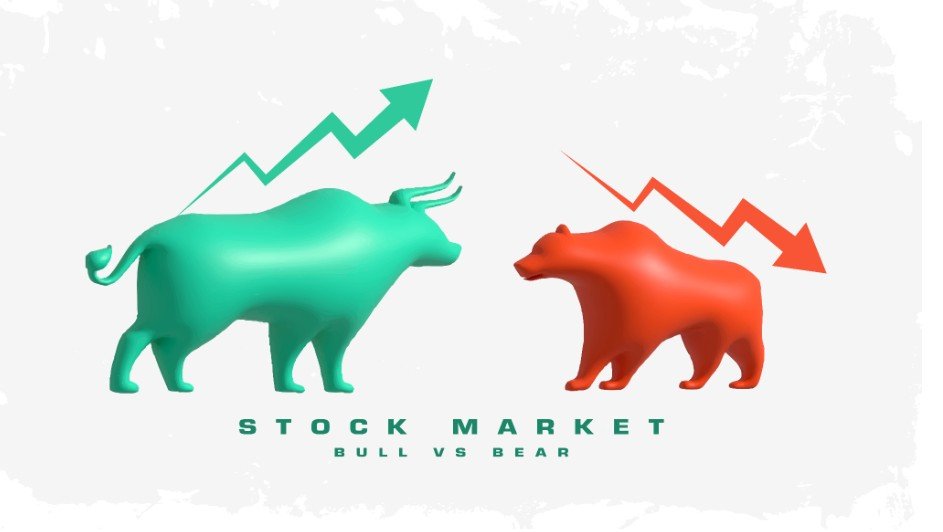
Market ups and downs were only something professional traders needed to worry about. But the more I watched retirement accounts, index funds, home prices, interest rates, and everyday investment decisions move with the market, the clearer it became that regular investors need to understand market cycles too.
Bull Market vs Bear Market: What Investors Should Know is not just a finance phrase. It is a practical idea that can help investors stay calm, avoid panic selling, and make smarter long-term decisions.
A bull market and a bear market can affect how people feel about investing, how much risk they take, and how they react when headlines become scary. The real goal is not to predict every market turn. The goal is to understand what each market means and how to respond without letting fear or greed control your money.
What Is a Bull Market?
A bull market is a period when stock prices rise for a sustained time. It is usually linked with investor confidence, strong company earnings, economic growth, and optimism about the future. During a bull market, people often feel more comfortable buying stocks, adding to retirement accounts, and taking investment risks.
Bull markets can make investing feel easy. Portfolio values may rise, financial news may sound positive, and investors may believe prices will keep climbing. This confidence can be useful, but it can also become dangerous when people start chasing hot stocks, ignoring valuations, or investing money they cannot afford to lose.
For everyday investors, the best approach during a bull market is usually to stay disciplined. That means continuing regular contributions, reviewing asset allocation, rebalancing when needed, and avoiding emotional decisions based on hype.
What Is a Bear Market?
A bear market usually happens when a major market index falls by 20% or more from recent highs. It is often connected with fear, uncertainty, falling investor confidence, weaker earnings, high inflation, rising interest rates, or concerns about the economy.
Bear markets can feel uncomfortable because losses become visible. Retirement savings may drop, investors may question their plans, and many people may feel tempted to sell just to stop the stress. However, selling during a downturn can lock in losses and make it harder to benefit when markets recover.
A bear market does not always mean the economy is permanently broken. Market declines are part of long-term investing. The key is to understand your time horizon, risk tolerance, and financial goals before making major changes.
Bull Market vs Bear Market: Key Differences
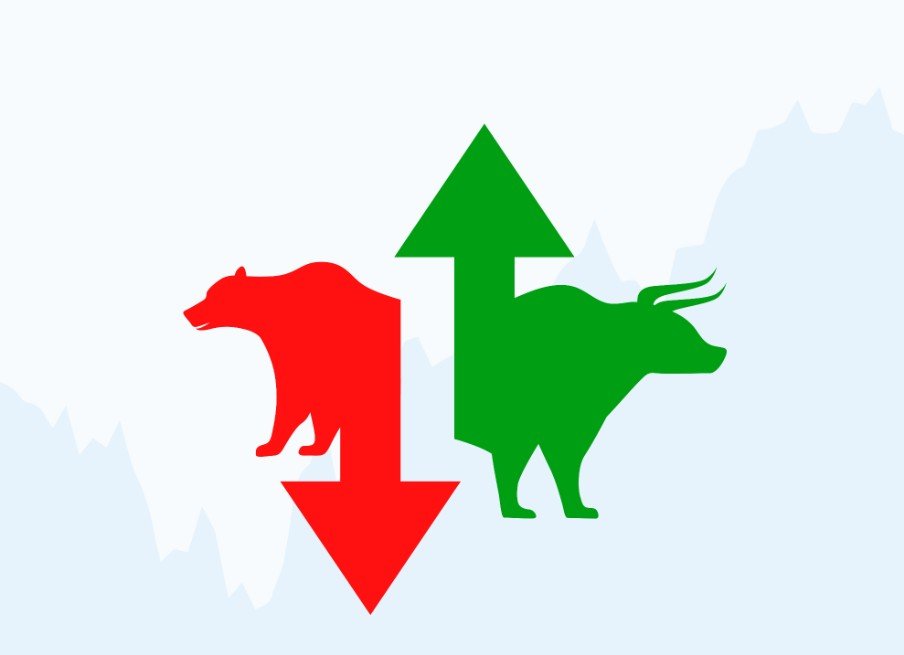
The biggest difference between a bull market and a bear market is direction. In a bull market, prices generally rise. In a bear market, prices generally fall. But the difference is not only about numbers. It is also about investor behavior.
In bull markets, investors often feel confident. They may buy more stocks, take more risks, and believe the future looks strong. In bear markets, investors often feel nervous. They may sell too quickly, stop investing, or move money into safer assets.
The economic background can also look different. Bull markets are often supported by job growth, stronger business profits, and positive consumer sentiment. Bear markets may appear during periods of economic slowdown, high borrowing costs, inflation pressure, or major global uncertainty.
For investors, both markets create risks. A bull market can lead to overconfidence. A bear market can lead to panic. Good investing requires discipline in both conditions.
To understand these cycles better, investors should also know Stock Market Trends Affect Everyday Investors because market direction can influence retirement accounts, risk decisions, and long-term confidence.
What Causes Bull and Bear Markets?
Market cycles are influenced by many factors. Interest rates play a major role because borrowing costs affect businesses, consumers, and stock valuations. When rates are lower, companies may find it easier to grow, and investors may be more willing to buy stocks. When rates rise, stocks can become less attractive.
Inflation also matters. If prices rise too quickly, consumers may spend less, businesses may face higher costs, and the central bank may raise rates to cool the economy.
Corporate earnings are another major driver. When companies report strong profits, investors may become more confident. When earnings weaken, markets may decline.
Other causes include unemployment, consumer spending, government policy, global conflicts, banking stress, and investor sentiment. Sometimes markets move because of facts. Other times, they move because of expectations about what may happen next.
Commodity prices can also influence market cycles, so investors should watch out for the commodities market trends when evaluating inflation pressure, business costs, and investor sentiment.
What Investors Should Do During a Bull Market
During a bull market, investors should avoid thinking that prices can only go up. Strong markets are a good time to review goals, rebalance portfolios, and make sure risk levels still match personal needs.
Long-term investors may continue dollar-cost averaging by investing a fixed amount regularly. This helps reduce the pressure of trying to time the market. It is also smart to avoid putting all money into one popular stock, sector, or trend.
A bull market can also be a good time to build cash reserves, pay down high-interest debt, and prepare for future volatility. The best investors do not wait until a bear market to think about risk. They plan before the downturn arrives.
What Investors Should Do During a Bear Market

During a bear market, the most important step is to avoid panic. Selling everything during a decline may feel safe in the moment, but it can hurt long-term growth if the market later recovers.
Investors with a long time horizon may continue contributing to retirement accounts or index funds. Lower prices can allow regular investors to buy more shares for the same amount of money. However, this only works when they have an emergency fund and are not investing money needed for creating a personal budget.
Near-retirees may need a more careful approach. They may review cash needs, reduce unnecessary risk, and make sure they are not forced to sell investments during a downturn. The right strategy depends on age, income, savings, and financial goals.
Common Mistakes Investors Make in Market Cycles
One common mistake is trying to time the market perfectly. Many investors sell after prices have already dropped and buy again after prices have already recovered. This can reduce returns over time.
Another mistake is chasing hype during bull markets. When everyone is excited about a stock or sector, prices may already reflect that excitement. Buying only because something is trending can be risky.
Investors also make mistakes by ignoring diversification. A balanced portfolio can help reduce the impact of one bad investment or sector decline. Overchecking portfolio balances is another problem because daily market movements can create stress and lead to poor decisions.
The smartest investors usually focus on consistency, patience, and a plan that works in both rising and falling markets.
Frequently Asked Questions
1. What does Bull Market vs Bear Market: What Investors Should Know Mean?
Bull Market vs Bear Market: What Investors Should Know means understanding how rising and falling markets work, how they affect investor behavior, and how to make better long-term financial decisions.
2. Is a bear market always bad for investors?
A bear market can be painful, but it is not always bad for long-term investors. Lower prices may create opportunities for people who invest consistently and have enough time to recover.
3. Should I stop investing during a bear market?
Not always. Many long-term investors continue investing during bear markets through regular contributions. However, short-term cash needs and emergency savings should come first.
4. How long do bull and bear markets last?
There is no fixed timeline. Bull markets often last longer than bear markets, but every cycle is different. Investors should focus more on long-term strategy than short-term predictions.
Final Thoughts
I believe the best investors are not the ones who predict every market turn. They are the ones who understand that markets move in cycles and prepare for both optimism and fear. A bull market can build wealth, but it can also create overconfidence. A bear market can feel stressful, but it can also reward patience and discipline.
Bull Market vs Bear Market: What Investors Should Know matters because everyday investors need more than definitions.
They need a calm way to think about risk, timing, emotions, and long-term goals. When you know how both markets work, you are less likely to panic during downturns or chase excitement during rallies. That discipline can make a major difference over time.