I used to think saving money meant cutting joy first. Then I tried different no spend challenge ideas and realized the real problem was not my budget. It was automatic spending.
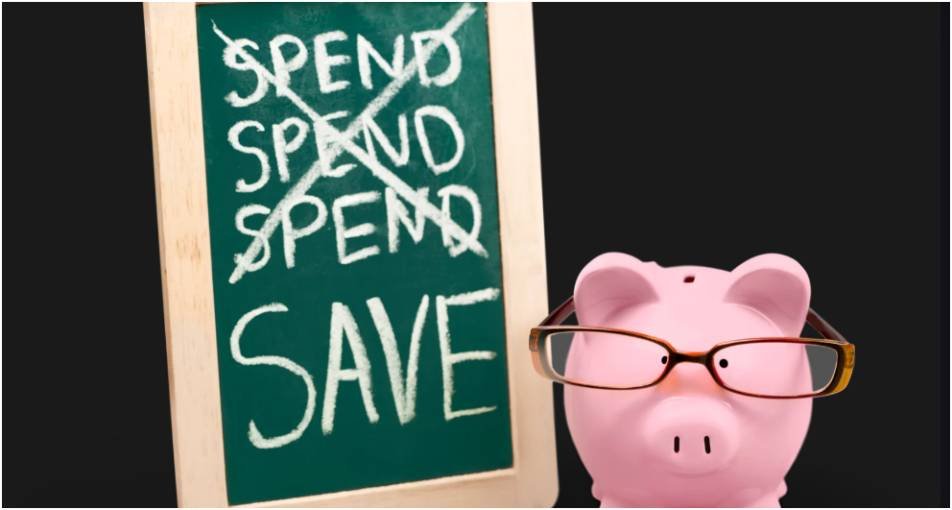
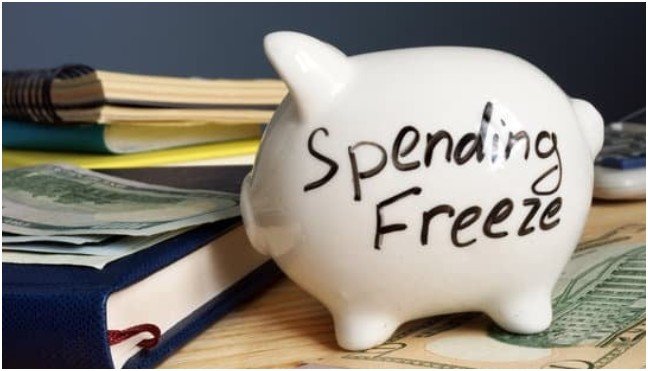
A no-spend challenge freezes discretionary spending for a set period. Fixed costs still stay allowed. Rent, mortgage, insurance, utilities, medication, fuel for work, and basic groceries are not the enemy. The goal is to pause the extras that quietly drain money, like takeout, random shopping, paid entertainment, delivery fees, and impulse buys.
What a No-Spend Challenge Really Means
A no-spend challenge is not about buying nothing forever. It is a short reset for your spending habits. I treat it like a financial detox, not a lifestyle sentence.
The best no-spend challenge ideas separate needs from wants before the challenge starts. Needs include housing, bills, food, basic transportation, medical care, and required work expenses. Wants include coffee runs, clothing hauls, restaurant meals, app upgrades, beauty extras, paid hobbies, and late-night online orders.
This matters because unclear rules create loopholes. If I do not define “allowed” and “forbidden” before day one, I will justify almost anything by day three.
Why I Like No Spend Challenge Ideas That Fit Real Life
The strongest challenges are realistic. A strict 30-day freeze sounds impressive, but it can backfire if your schedule, family, job, or pantry is not ready.
I prefer choosing a format based on skill level. That makes the challenge feel possible instead of dramatic.
The Beginner Weekend Reset

A no-spend weekend is perfect if you are new to money challenges. It lasts only two days, so it builds quick confidence.
For one weekend, I cook at home, skip online shopping, avoid delivery apps, and plan free activities. I usually clean one area of my home, watch something I already have access to, and take a long walk. It sounds simple, but it reveals how often boredom becomes spending.
The Pantry Challenge
A pantry challenge lasts 7 to 14 days. The rule is simple: use food you already have before buying more.
I allow absolute basics if needed, like milk, eggs, fresh produce, or baby supplies. Everything else comes from the freezer, pantry, or fridge. This challenge works well because grocery stores are full of impulse traps. One “quick trip” can become snacks, drinks, sauces, and items I did not plan to buy.
The hidden win is waste reduction. I often find forgotten rice, pasta, canned beans, frozen vegetables, spices, and breakfast items that can cover several meals.
The Single-Category Freeze
A single-category freeze targets one spending leak for 30 days. This is one of my favorite no spend challenge ideas because it feels focused.
You can freeze takeout, clothes, coffee, beauty products, digital purchases, home decor, paid apps, or convenience snacks. This works best when one category causes most of the damage.
For example, if takeout costs $18 per order and I skip it twice a week, that can protect around $144 in a month. That number gets my attention faster than vague advice.
The Full No-Spend Month
A full no-spend month is the classic version. For 30 days, you buy nothing outside core needs.
This version works best when you prepare first. I check birthdays, school needs, work events, car maintenance, and medical refills before starting. A full month can help you reset spending fast, but it needs structure.
I do not recommend using it as punishment after overspending. That creates guilt. Use it as a planned reset.
The Subscription Pause
Subscriptions can hide in plain sight. A subscription pause means reviewing streaming apps, fitness memberships, paid newsletters, cloud storage upgrades, delivery memberships, and monthly boxes.
I pause or cancel anything I would not choose again today. This challenge is useful because it creates savings beyond the challenge period. One canceled $12.99 subscription can save more than $150 in a year.
Free Activities That Stop Boredom Spending

Boredom is one of the biggest no-spend traps. If the only plan is “do not spend,” the challenge feels miserable. I always plan free activities before I begin.
Use the Library Like a Free Entertainment Hub
The library is more than books. Many U.S. libraries offer ebooks, audiobooks, films, workshops, job resources, language tools, and community events.
I use the library when I want entertainment without buying another subscription. It also gives structure to the week because I can plan reading nights or free events.
Turn Home Into the Plan
A home-based weekend does not need to feel boring. I plan movie nights, board games, closet edits, phone photo organization, recipe experiments, and playlist cleanups.
The trick is making it feel intentional. “I cannot go out” feels restrictive. “I am hosting a no-spend movie night” feels like a plan.
Declutter Before You Buy Again
Decluttering changes how I view spending. When I see unused clothes, duplicate chargers, forgotten skincare, unread books, and kitchen gadgets, I become less excited about buying more.
I also create a “sell later” box. I do not list items during the challenge if it triggers browsing marketplaces. I simply gather them. After the challenge, I can sell useful items and add the money to savings.
Build a Skill Without Buying a Course
Free skill-building keeps my mind busy. I use free videos, library resources, old notebooks, and practice materials I already own.
Good options include cooking from pantry staples, learning basic budgeting, stretching, home workouts, writing, language practice, photo editing, or organizing digital files. The goal is progress without payment.
Get Outside Without Paying for Fun
Walking is underrated. I map nearby parks, trails, neighborhoods, waterfronts, or free public spaces. Outdoor time breaks the shopping-scroll habit.
A no-spend walk also helps with emotional spending. When I move, I usually want less. That is a small habit with big money value.
My Simple Rules for a Successful No-Spend Challenge
The rules matter more than motivation. Motivation fades when cravings hit. Rules protect the plan.
Write Allowed and Forbidden Spending
Before day one, I write two lists. Allowed spending includes bills, housing, basic groceries, medicine, fuel, required childcare, and true emergencies. Forbidden spending includes takeout, clothes, random online orders, paid entertainment, non-essential upgrades, and convenience purchases.
This removes decision fatigue. I do not debate with myself every time I want something.
Delete Temptation Before Day One
I uninstall shopping apps, remove saved cards from retail sites, unsubscribe from promo emails, and avoid browsing stores for fun.
This is not weakness. It is design. If I make spending harder, I spend less.
Use a Visual Tracker
A tracker makes progress visible. I like crossing off days on a printed calendar. Some people prefer a bullet journal, notes app, or fridge chart.
The tracker works because it turns restraint into a streak. I can see the win every day.
Add a 24-Hour Cooling-Off Rule
For non-essential purchases, I use a 24-hour rule. I place the item on a wishlist and wait.
Most impulse buys lose power after a day. If I still need the item after the challenge, I can budget for it. This rule is especially useful for online shopping, flash sales, and emotional spending.
A Worked Example: My 7-Day No-Spend Reset
Here is a simple version I would use during a busy week.
On day one, I set rules and remove shopping apps. On day two, I cook two pantry meals and pack lunch. On day three, I use the library instead of renting a movie. On day four, I walk after work instead of ordering snacks. On day five, I clean one drawer and find items I forgot I owned. On day six, I make a free weekend plan. On day seven, I total the money I did not spend.
The original insight is this: I do not only track money saved. I track “urges ignored.” If I skipped four impulse buys, I learned four triggers. That data helps me build a better budget after the challenge.
What to Do After the Challenge Ends
The worst move is finishing a challenge and rewarding yourself with a shopping spree. That cancels the lesson.
I like moving the saved money immediately. It can go toward emergency savings, debt, a bill buffer, or a specific goal. This is also where I connect the challenge to a larger money habit, such as how to live below your means without feeling deprived.
After the challenge, review three things: what you missed, what you did not miss, and what you want to keep. Maybe takeout returns once a week. Maybe one subscription stays canceled. Maybe the pantry challenge becomes a monthly habit.
The goal is not perfection. The goal is proof that you can pause spending and still live well.
FAQs About No Spend Challenge Ideas
1. What are the easiest no spend challenge ideas for beginners?
Start with a no-spend weekend, pantry challenge, or single-category freeze because they are short, clear, and easier to finish.
2. What can I buy during a no-spend challenge?
You can buy essentials like housing, utilities, basic groceries, medicine, fuel, insurance, and required family or work needs.
3. How long should a no-spend challenge last?
Beginners can start with 2 to 7 days, while experienced budgeters may try 30 days or a single-category freeze for one month.
4. Do no spend challenge ideas really help save money?
Yes, they help when you move the saved money immediately into savings, debt payoff, or a bill buffer instead of spending it later.
Final Swipe: Keep the Money, Lose the Drama
A no-spend challenge should not make life feel smaller. Done well, it makes your choices clearer. I like these no spend challenge ideas because they show where money leaks, which purchases are emotional, and what I can enjoy for free.
Start small. Pick one weekend, one category, or one pantry reset. Write the rules, delete temptation, track the streak, and move the saved money before it disappears. Your future self will be smug, and honestly, she has every right to be.