
A small budget can make investing feel out of reach, but it does not have to stay that way. Learning how to start investing with little money helped me see investing as a habit, not a rich person’s hobby. The goal is simple: start small, stay consistent, and let time do the heavy lifting.
Choose A Beginner-Friendly Platform
The right investing platform makes the first step easier, especially when your starting balance is small.
Look For No Minimums
Many U.S. online brokerages now let you open an account with no minimum deposit. That means you do not need $1,000 saved before you begin. You can add a small amount, explore the dashboard, and learn at your own pace.
Look for commission-free trades, simple account tools, educational resources, and clear fee details. A beginner-friendly brokerage should help you understand your money, not overwhelm you with charts and jargon.
Use Fractional Investing
Fractional shares let you buy a small slice of a stock or ETF instead of paying for one full share. This is useful when a popular stock or fund has a high share price, but your budget is only $5, $10, or $25.
Instead of waiting months to afford a full share, you can invest a small dollar amount right away. That makes the stock market more accessible for beginners with limited cash.
Compare Apps Carefully
Micro-investing apps can be helpful because they round up purchases and invest spare change automatically. This can make investing feel effortless, especially if saving manually feels hard.
Still, check the monthly fee. A $3 fee may look tiny, but if you invest only $10 a month, that cost takes a big bite out of your contribution. Small investors should protect every dollar from unnecessary fees.
Start With Index Funds And ETFs
Simple investments are often better than exciting ones when you are new to the market.
Pick Broad Market Funds
Index funds and exchange-traded funds, also called ETFs, are popular beginner investments because they spread your money across many companies. Instead of betting everything on one stock, you get built-in diversification.
An S&P 500 ETF, for example, gives exposure to many of the largest U.S. companies. If one company struggles, the others may help balance the risk. That does not remove market risk, but it can reduce single-stock risk.
Keep Costs Low
Fees matter a lot when you invest with little money. Look for funds with low expense ratios because those costs come out of your returns over time. The lower your fees, the more of your money stays invested.
A low-cost ETF or index fund can be a smart first investment because it is simple, diversified, and easy to understand. You do not need to research dozens of companies to get started.
Avoid Stock Picking Pressure
Buying individual stocks can be tempting because big winners get attention online. But stock picking requires research, patience, and emotional control. Beginners can easily chase hype and buy at the wrong time.
Starting with diversified funds helps you learn without putting all your money into one company. Once you understand risk better, you can decide whether individual stocks fit your plan.
Open A Tax-Advantaged Account
Where you invest can matter almost as much as what you invest in.
Use Your 401(k) First
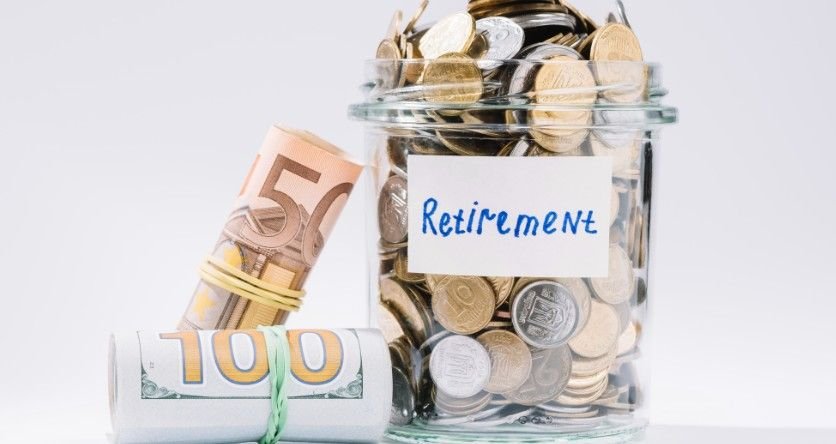
If your employer offers a 401(k) with a match, consider starting there. An employer match is extra money added to your retirement savings, and skipping it can mean leaving benefits on the table.
Even a small contribution can be useful if it helps you get the full match. For beginners, this is one of the most practical ways to start building long-term retirement savings.
Consider A Roth IRA
A Roth IRA can be a strong option for beginners because qualified withdrawals in retirement may be tax-free. You contribute money you have already paid taxes on, then your investments can grow over time inside the account.
Roth IRA rules also offer some flexibility around original contributions, though earnings have stricter rules. Always review current IRS guidance or speak with a qualified tax professional before making decisions.
Match The Account To Your Goal
A retirement account is great for long-term wealth, but a taxable brokerage account may work better for flexible goals. If you are investing for something before retirement, a brokerage account gives easier access.
The best account depends on your timeline, tax situation, and financial goal. Beginners should keep it simple and avoid opening too many accounts at once.
How To Start Investing With Little Money
This is the practical part: turn the idea into a real investing routine.
Start With A Small Deposit
Begin with an amount that feels comfortable, such as $1, $10, $25, or $100. The goal is not instant wealth. It is learning how to add money, buy an investment, and review your account with confidence.
Pick One Simple Investment
Choose one diversified, low-cost ETF, index fund, or target-date fund. This keeps things easier than buying random stocks based on online hype.
Match Your Budget
With $1 to $10, use fractional shares and avoid fees. With $25 to $50, automate monthly investing. With $100 or more, build a steady routine.
Automate And Stay Consistent
Consistency turns small investing into a long-term wealth habit.

Use Dollar-Cost Averaging
Invest the same amount weekly or monthly, whether prices are high or low. This reduces the stress of timing the market and helps you stay consistent.
Treat It Like A Bill
Set an automatic transfer, even if it is only $10 a month. As your income grows, increase it slowly from $10 to $15, $25, or $50.
Review Without Obsessing
Check your account monthly or quarterly. Make sure deposits are working, fees stay low, and your investment still matches your goal. Avoid panic changes during market dips.
Keep Emergency Savings Separate
Investing works best when your basic safety net is not at risk.
Save Before You Stretch
Build emergency savings before investing every spare dollar. Even a small cushion in a high-yield savings account can stop you from selling investments during a market dip.
Protect Short-Term Money
Keep money for rent, tuition, bills, repairs, or near-term goals out of the stock market. Investing works better when your money has time to grow.
Avoid High-Interest Debt
Credit card debt can cost more than typical investing returns. Pay down high-interest debt first, or invest only a small amount while you reduce it.
Frequently Asked Questions
1. Is $100 Enough To Start Investing?
Yes, $100 is enough to start investing. Many brokerages offer fractional shares, ETFs, and no minimum accounts, so you can begin with $100 and build consistency over time.
2. What Is A Good Investment For Beginners With Little Money?
A diversified, low-cost ETF or index fund is often a good beginner choice. It spreads risk across many companies and keeps investing simple, affordable, and easier to manage.
3. How To Turn $100 Into $1000 Fast?
There is no safe or reliable way to turn $100 into $1000 fast. Fast returns usually involve high risk, so beginners should focus on consistency and long-term growth.
4. How Much Do I Need To Invest To Make $1000 A Month?
The amount depends on returns, taxes, and withdrawal strategy. Using a 4% annual withdrawal idea, you may need around $300,000 invested to generate about $1,000 monthly before taxes.
Tiny Dollars, Big Future
Learning how to start investing with little money is not about waiting until life feels perfect. It is about using what you have today with care, patience, and a simple plan. Choose a beginner-friendly platform, use low-cost funds, automate small deposits, and protect your emergency cash. Small starts can become serious progress when you give them time.