
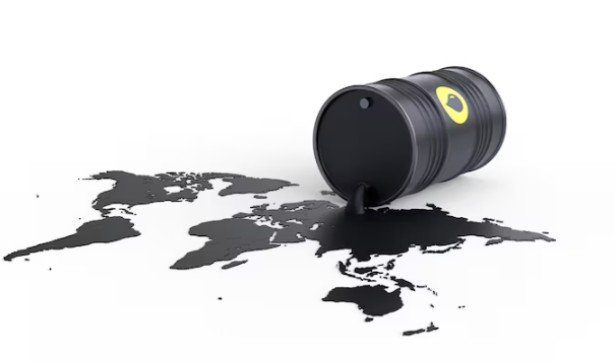
I see oil prices as one of the clearest signals of pressure moving through the world economy. When crude prices rise or fall, the impact does not stay limited to gas stations or energy companies. It can move into inflation, business costs, interest rates, currencies, shipping, consumer confidence, and investment decisions.
Oil is still deeply connected to transportation, manufacturing, farming, logistics, plastics, chemicals, aviation, and household energy costs. Even as clean energy grows, crude oil remains a major input across global commerce. When its price changes sharply, markets often respond fast because investors know energy costs can reshape profits, spending, and economic growth.
Why Oil Prices Matter to the Global Economy
Oil prices matter because they influence the cost of moving goods, running factories, powering transportation, and producing everyday items. A rise in crude oil can make shipping, airline travel, trucking, and manufacturing more expensive. Those higher costs may eventually reach consumers through higher prices.
When oil prices fall, consumers and businesses may get relief. Families may spend less on fuel, companies may reduce operating costs, and inflation pressure may ease. However, lower oil prices are not always good for every part of the economy. Energy companies, oil-producing regions, and commodity-linked investments may suffer when prices drop too far.
This is why oil works like a global economic signal. It does not control markets by itself, but it can influence many decisions at once.
What Causes Oil Prices to Rise or Fall
Oil prices move because of supply, demand, politics, currency strength, and investor expectations. When global demand rises due to strong economic activity, oil prices often increase. When demand weakens because of slower growth, recessions, or lower industrial activity, prices may fall.
Supply also plays a major role. Production cuts by major oil-producing countries can tighten supply and push prices higher. New production, weak demand, or excess inventory can pull prices down. Geopolitical tension in energy-producing regions can also create fear of supply disruption, which may raise prices even before actual shortages happen.
The value of the dollar matters too because crude oil is commonly priced in dollars. When the dollar strengthens, oil can become more expensive for countries using other currencies, which may reduce demand. When the dollar weakens, oil may become more affordable globally and attract stronger buying.
How Oil Prices Affect Inflation and Consumer Spending
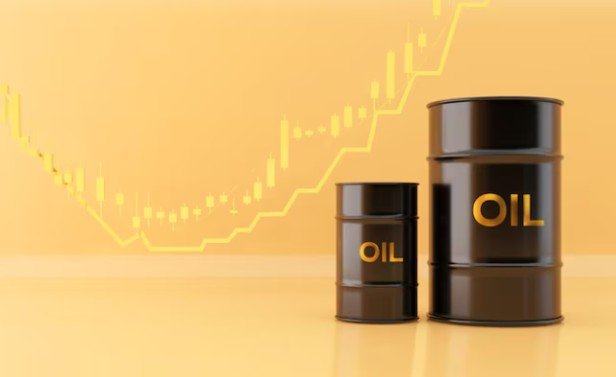
Oil prices affect inflation because energy is part of nearly every supply chain. Fuel powers trucks, ships, planes, farm equipment, delivery networks, and factories. When fuel costs increase, businesses often face higher expenses. Some companies absorb those costs, while others pass them to customers.
Higher oil prices can also reduce consumer spending. When households spend more on gasoline, heating, transport, or energy-linked goods, they may have less money left for dining, shopping, travel, entertainment, and savings. This can slow demand in other parts of the economy.
Lower oil prices can have the opposite effect. Consumers may feel more comfortable spending when fuel costs fall. Businesses may also benefit from lower transportation and production expenses. Still, falling oil prices caused by weak global demand may signal trouble rather than strength.
How Oil Prices Affect Stock Market Trends
Oil prices affect stock markets differently by sector. Energy companies may benefit when oil prices rise because higher crude prices can improve revenue and profit margins. Oil producers, drilling firms, pipeline companies, and energy service providers may attract more investor attention during strong oil markets.
Investors also watch oil because it can affect market sentiment. A sudden oil spike may create fear about inflation and slower growth. A sharp oil crash may raise concerns about weak demand or recession risk. This is why the market reaction depends on the reason behind the oil move, not only the price itself.
How Oil Prices Influence Currencies and Trade
Oil prices can also affect currency markets. Countries that export large amounts of oil may benefit from rising prices because they earn more revenue from energy sales. Their trade balances may improve, and investor confidence may strengthen.
Oil-importing countries can face the opposite pressure. When crude prices rise, they may spend more money importing energy. This can increase trade deficits, weaken currency confidence, and create inflation pressure.
Trade patterns can also shift. Higher fuel costs make global shipping more expensive, which can affect product pricing, profit margins, and supply chain decisions. Businesses may rethink sourcing, inventory, and transportation strategies when oil remains expensive for a long time.
Oil Importers vs Oil Exporters
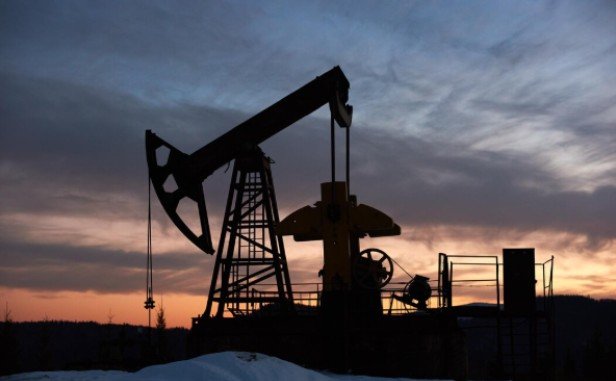
Oil-exporting economies often gain when crude prices rise because government revenue, corporate profits, and export income may improve. Energy-rich regions can see stronger investment, higher tax income, and more economic activity during oil booms.
Oil-importing economies usually face more pressure. They may deal with higher import bills, rising transport costs, and stronger inflation. Consumers may feel the impact through fuel prices, food delivery costs, airline tickets, and imported goods.
However, the effect is not always simple. If oil prices rise because the global economy is strong, markets may still perform well. If prices rise because of supply shocks or conflict, markets may become more nervous.
How Oil Prices Influence Central Banks and Interest Rates
Central banks pay close attention to oil because energy prices can push inflation higher. If oil prices rise sharply and stay elevated, inflation may become harder to control. Central banks may delay interest rate cuts or keep policy tighter for longer.
Higher interest rates can affect stocks, bonds, real estate, business loans, and consumer borrowing. This means oil price shocks can indirectly influence financial markets through central bank decisions.
If oil prices fall and inflation cools, central banks may have more flexibility. But again, the reason matters. If oil falls because demand is collapsing, investors may worry about economic weakness rather than celebrate lower inflation.
Historical Oil Shocks and Market Lessons
History shows that oil shocks can reshape market behavior. The oil crisis of the 1970s created inflation pressure and economic stress. The 2008 commodity spike added pressure before the financial crisis deepened.
The 2020 oil crash showed how sudden demand destruction can shock energy markets. The energy disruption after the Russia-Ukraine conflict reminded investors that geopolitics can quickly influence fuel, inflation, and market expectations.
These examples show that oil prices are never just about energy. They connect with confidence, policy, trade, and risk appetite.
Frequently Asked Questions
1. How do oil prices affect global market trends?
How Oil Prices Affect Global Market Trends depends on inflation, costs, currencies, trade, and investor sentiment. Higher oil may help energy stocks but pressure other sectors.
2. Do higher oil prices always hurt the stock market?
No. Higher oil prices do not always hurt stocks. Energy companies may benefit, while airlines, logistics, manufacturing, and consumer businesses may face pressure. The overall market reaction depends on whether oil is rising because of strong demand or because of supply shocks.
3. Which sectors benefit when oil prices rise?
Energy producers, oilfield service companies, pipeline operators, and some commodity-linked businesses may benefit when oil prices rise. However, companies with high fuel, transport, or production costs may struggle if they cannot pass costs to customers.
4. Why do oil prices affect inflation?
Oil affects inflation because fuel and energy costs are built into transportation, production, farming, shipping, and delivery. When oil rises, the cost of moving and making goods can increase, which may raise consumer prices.
Final Thoughts
I believe oil prices are one of the most useful clues for understanding market pressure before it becomes obvious. They can reveal changes in inflation, business costs, trade, currencies, interest rates, and investor confidence. Oil does not move every market alone, but it can influence many parts of the economy at the same time.
For investors, the smart move is not to panic whenever crude prices rise or fall. The better approach is to ask what is driving the move, which sectors are exposed, how inflation may respond, and whether central banks may change their tone. When you read oil prices this way, market trends become easier to understand and less intimidating.